
Last updated November 21, 2026
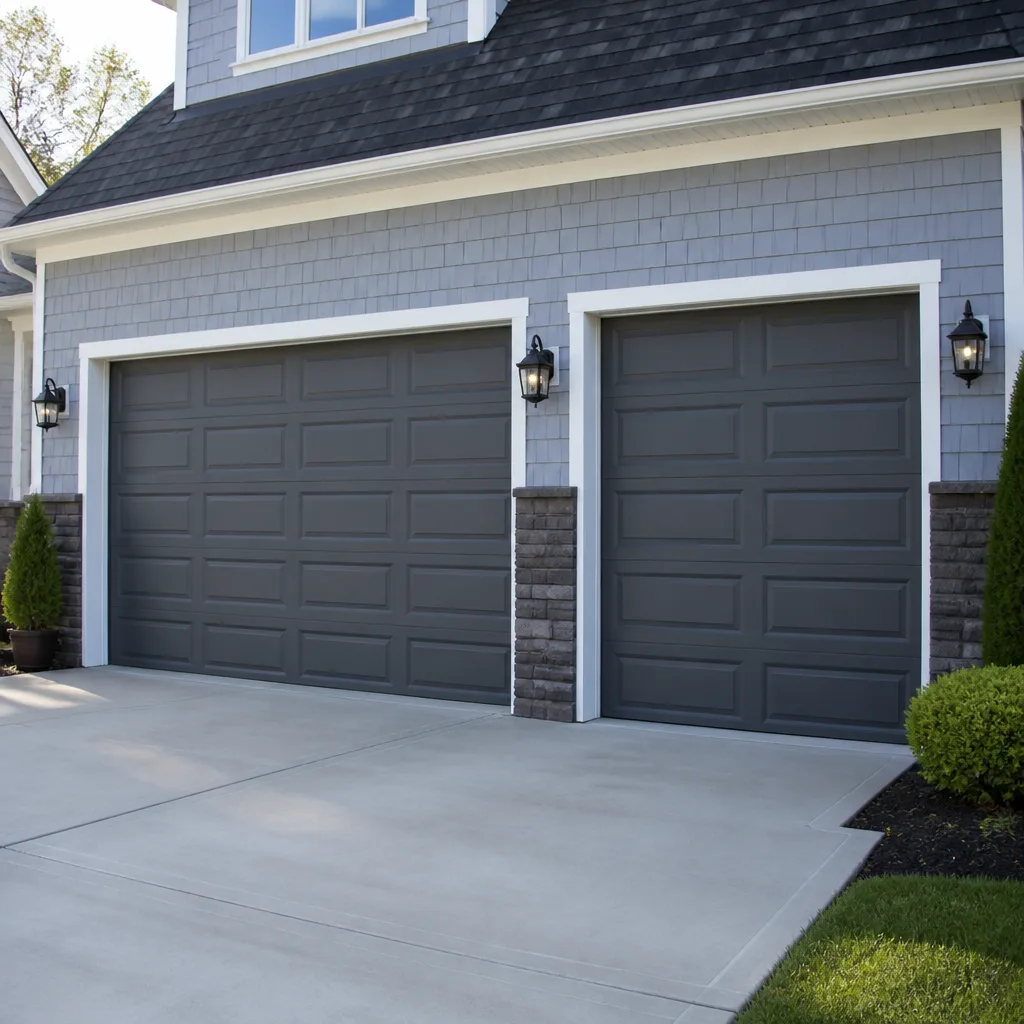 Raised-panel steel
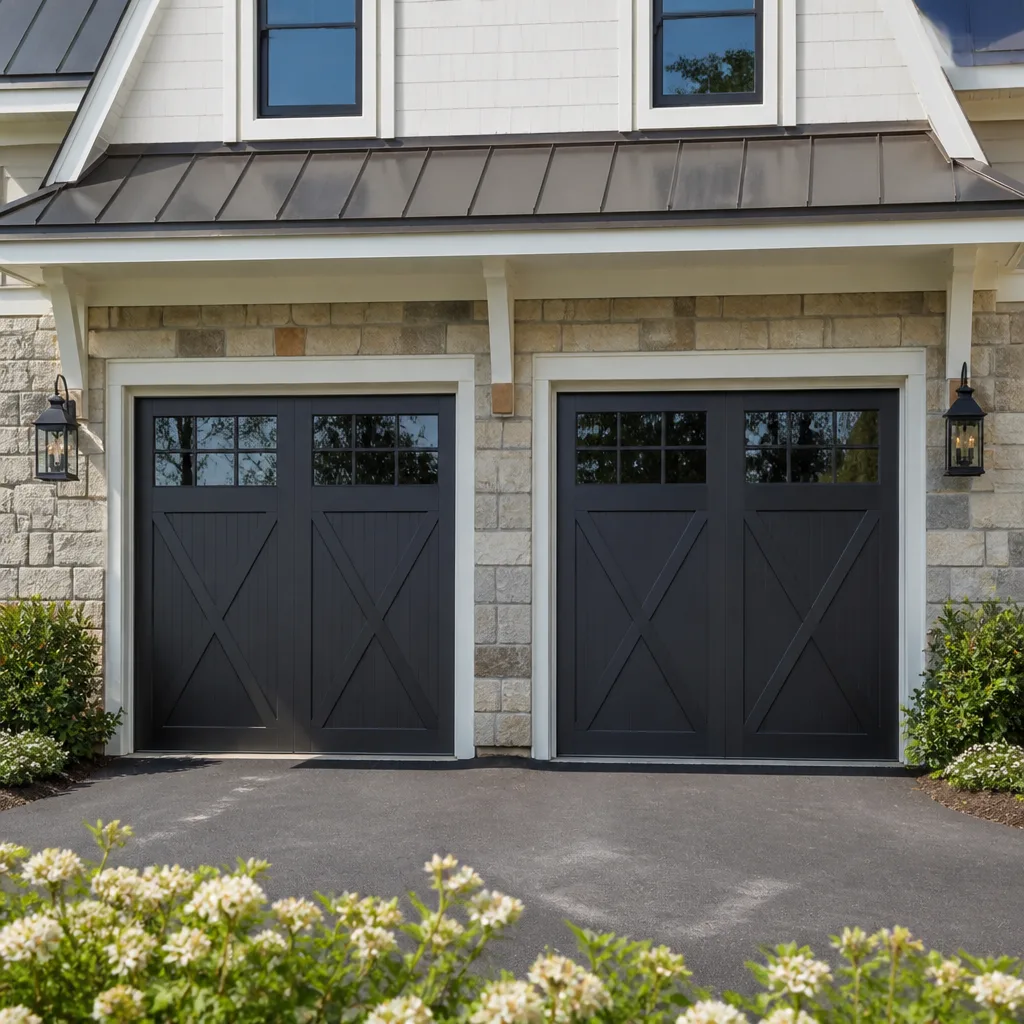 Carriage house
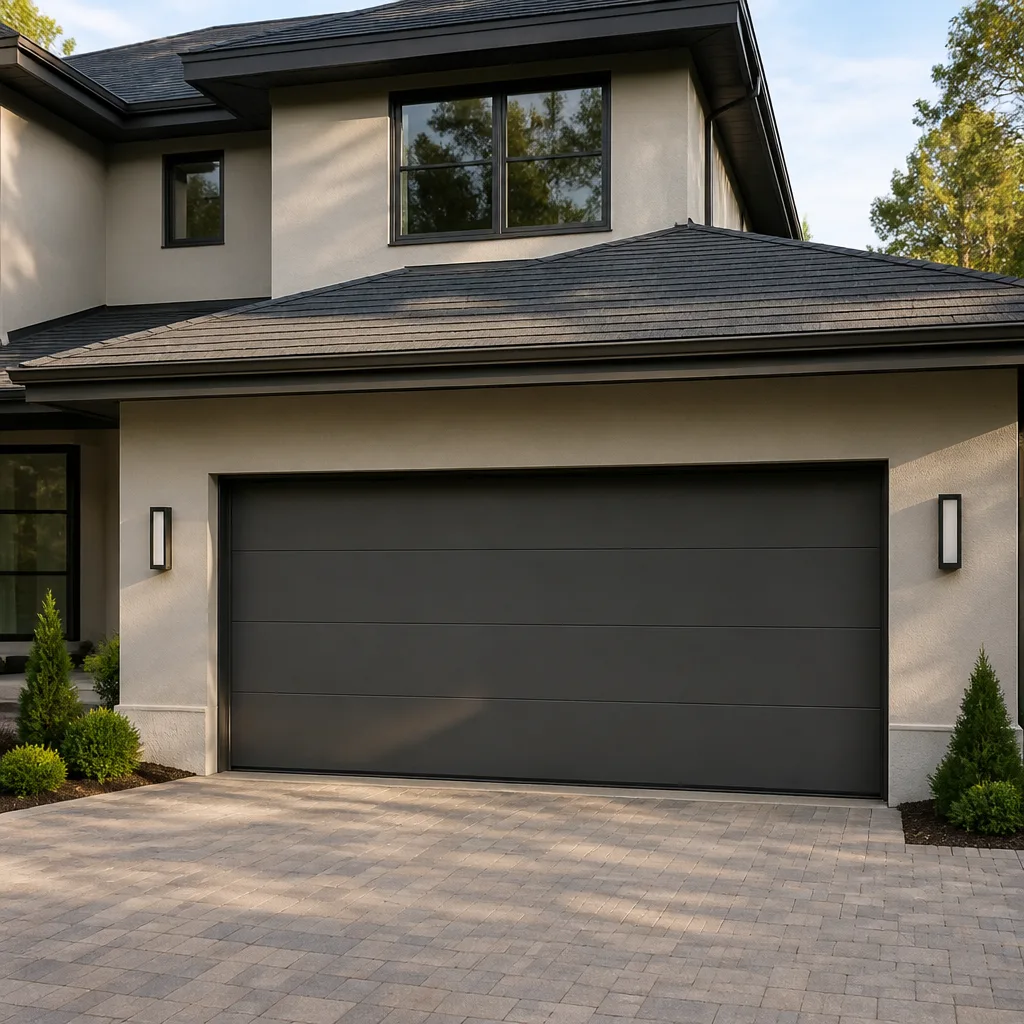 Modern flush
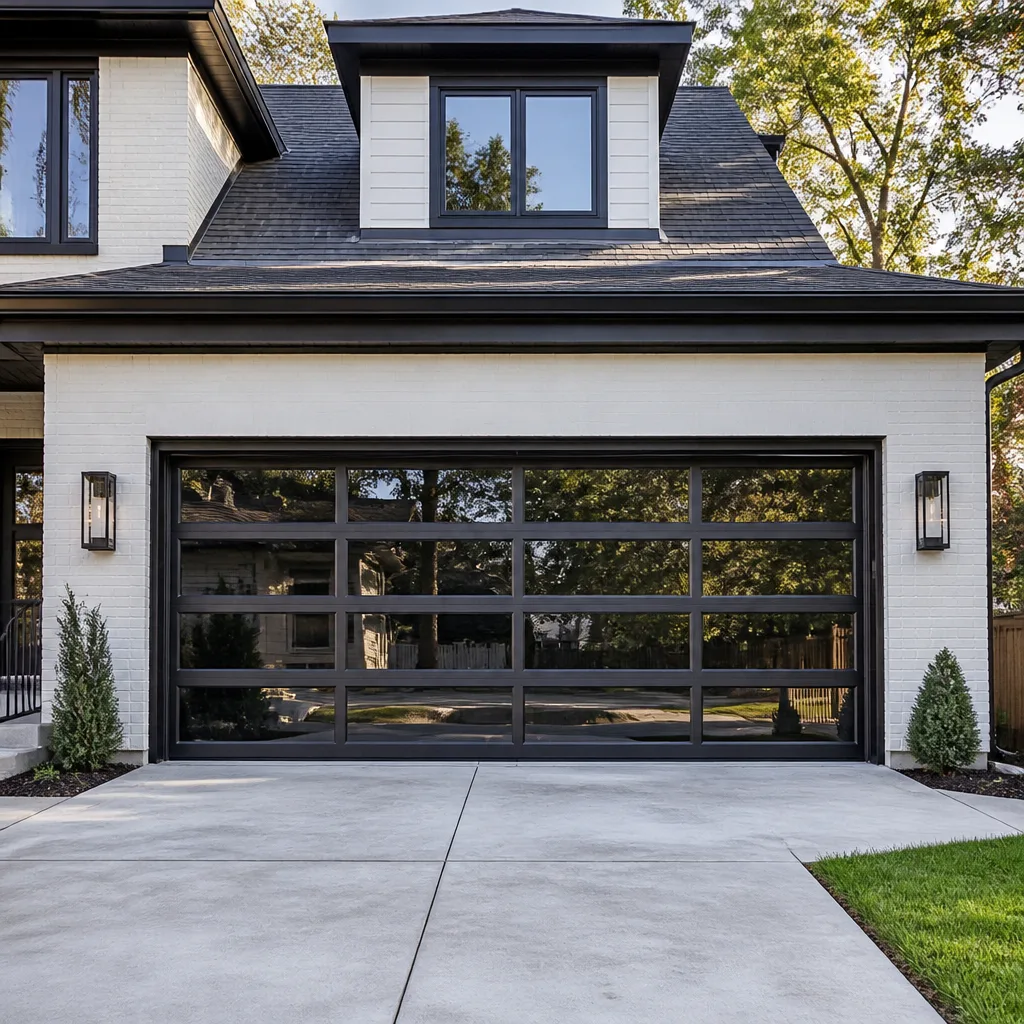 Full-view glass
 LiftMaster openers
 Chamberlain openers
Full 25-point door and opener safety check with every visit - springs, cables, rollers, tracks, and your LiftMaster or Chamberlain opener included
You get a price before we start. It does not change when the pro arrives.
Get your free estimateGarage Door Permits, Codes & Inspections in Cape Coral, FL: What You Need to Know
Most Cape Coral homeowners assume a garage door replacement is a simple swap. Buy the door, pay the installer, done. That assumption is the one mistake that catches people in this city more often than any other. In Cape Coral’s wind-rated zones, the permit threshold sits lower than most people expect, and skipping it can affect more than a city inspection. It can undercut the wind-mitigation documentation tied to your homeowners insurance. This guide covers when you actually need a permit, what the inspector looks for, how the wind-mitigation form connects to your installation, and how to sequence HOA approval against the city’s process. If you’re planning a door replacement in Cape Coral, read this before you sign anything.
Quick Answer
In Cape Coral, a true like-for-like garage door replacement (same rated model, same opening, no structural change) may not need a new permit, but any change in the door’s wind rating, track geometry, header, or structural anchoring does. Under Florida Building Code Chapter 14, garage doors in Lee County’s wind-borne debris region must meet specific design pressure requirements, and the installation must be permitted and inspected to confirm the anchoring and product approval match. A permitted, wind-rated install is what produces the documentation your insurer needs for wind-mitigation credit. When in doubt, confirm with the Cape Coral Building Division before work begins.
Styles & brands we work with
- Raised-panel steel
- Carriage house
- Modern flush
- Full-view glass
- LiftMaster openers
- Chamberlain openers
Table of Contents
- When Does a Garage Door Replacement Need a Permit in Cape Coral?
- Florida Building Code Chapter 14 and Lee County’s Wind Zone
- How the Garage Door Inspection Actually Works
- The Wind-Mitigation Form and Your Insurance Credit
- HOA Approval vs. City Permit: Why the Sequence Matters
- Repair, Opener Swap, or Full Replacement: What Triggers a Permit
- How to Prepare for the Inspector
- Common Mistakes to Avoid
When Does a Garage Door Replacement Need a Permit in Cape Coral?
A like-for-like replacement can sometimes proceed without a new permit. Anything that changes the door’s rating, its anchoring, or the opening itself does not. That’s the short version, and it’s the one most homeowners never hear before they hire someone.
The Cape Coral Building Division draws a distinction between a replacement that matches the existing permitted door and one that alters the assembly. The practical questions:
- Is the new door the same product approval number as the old one? If yes, the door has an existing permit record and the swap is closer to a maintenance replacement. If no, you’re installing a different rated product and the job needs new paperwork.
- Does the wind rating change? Upgrading to a higher-design-pressure door is common in Cape Coral, and any change in rating triggers a new permit application because the structure now needs to be verified against the new load.
- Is the track or header being modified? New track geometry, a raised header, or any reframing of the opening is structural. That’s a permit.
- Is the anchoring changing? Different brackets, different anchor spacing, or a switch to a different fastening pattern all require inspection to confirm the installation matches the approved plan.
In practice, the threshold you should hold in mind is this: if the work touches the wind rating, the structural opening, or the anchoring, it’s a permit. If it’s a same-spec replacement of a door already permitted on that address, you’re in the narrow band where a permit may not be required, and it’s worth a quick call to the building department to confirm before you order.
Homeowners who’ve used our garage door installation work in Cape Coral know we ask which door is coming out and which is going in before we quote, because the permit answer depends on both. That’s not paperwork for its own sake. It’s the thing that keeps your insurer and your eventual buyer from finding a gap in the record.
Florida Building Code Chapter 14 and Lee County’s Wind Zone
Florida Building Code Chapter 14 governs exterior openings in the wind-borne debris region, and that includes your garage door. Cape Coral sits inside Lee County’s designated wind zone, which means any new or replaced garage door must carry a product approval that meets the design pressure for its location and installation height. The code doesn’t care whether the install “looks fine.” It cares whether the door, the track, the anchoring, and the surrounding structure all meet the load the code assigns.
What that means in practical terms:
- The door must be rated for the opening. A door rated for a smaller opening or lower design pressure doesn’t qualify just because it fits the hole.
- The anchoring must match the approved plan. The number and type of brackets and anchors are part of the approval, not a judgment call on the day.
- The surrounding structure has to hold. The header and jambs must be sound enough to carry the load the door transfers to them. If your existing framing is compromised, the install plan needs to address that before the door goes in.
- The product approval has a number. It’s on the label and in the paperwork. That number is what the inspector verifies and what your insurer may request.
Cape Coral has a lot of homes where the original garage door predates the current code cycle, and a replacement brings the opening up to a newer standard. That’s a good thing, but only if the work is permitted and inspected. A replacement pulled under an old permit or with no record at all leaves you with a door that may not qualify for the wind-mitigation credit you thought you were getting.
We work with doors from LiftMaster and Clopay, among others, and each rated product line comes with its own approval documentation. Getting the right product approval number to the building department is part of the job, not an afterthought. If your door is being repaired rather than replaced and the structural opening isn’t changing, the permit question rarely comes up; that’s a different conversation, and one we’re happy to have over the phone.
How the Garage Door Inspection Actually Works
The inspection is not a general safety check of your door. It’s a verification that the installed door, its anchoring, and its product approval match what was submitted. Once you understand what the inspector is actually looking at, preparing for the visit gets simple.
Here’s the sequence in the order it usually happens:
- Pre-inspection documentation. You or your installer submit the permit application with the product approval, the design pressure, and the installation detail. The inspector reviews this before setting foot on your property.
- On-site verification. The inspector confirms the installed door is the approved model, checks the label or approval number, and measures the opening to confirm it matches the plan.
- Anchoring check. Brackets, anchor type, spacing, and embedment are compared to the approved detail. This is where most failed inspections happen, and it’s almost always a mismatch between what was drawn and what was installed.
- Track and header check. The track geometry, the header, and the jamb condition are checked against the load the door transfers when it’s in its rated position.
- Opener and safety check. If the opener is being replaced or affected by the install, the inspector may verify that the operator and safety features work as they should.
- Sign-off and record. The building department issues the final inspection record. That record is what your insurer and a future buyer may request.
For homeowners in Cape Coral, the biggest avoidable delay is anchor spacing. An installer who follows the manufacturer’s general instructions instead of the site-specific approval detail can fail the anchoring check even when the door itself is fine. That’s why we work from the approval detail before the first bracket goes on, on every brand we install, whether it’s a Chamberlain system or a Wayne Dalton door.
The Wind-Mitigation Form and Your Insurance Credit
This is the part most homeowners only discover after the fact, and it’s where the permit stops being a piece of paper and starts being money. Wind-mitigation forms submitted to your insurer document the specific features of your home, including the rated garage door and how it’s installed. A permitted, wind-rated installation produces the documentation trail that credit depends on. An unpermitted or undocumented install can leave you claiming a feature your insurer can’t verify.
What the process usually looks like:
- The installation is permitted and inspected. You have a final inspection record showing the door and anchoring met the approved plan.
- You keep the product approval documentation. The approval number, the design pressure, and the installation detail are part of the file.
- Your wind-mitigation inspector documents the feature. That inspection is separate from the building department’s, and it’s what your insurer uses.
- The credit is applied at renewal or on request. Your agent can confirm how your carrier handles it.
In Lee County, the wind-mitigation credit is one of the largest single reductions available on a homeowners policy, and the garage door is a meaningful part of that calculation. Skipping the permit doesn’t just risk a city fine. It can mean the difference between a documented credit and a discount you can’t support. We’d rather walk you through the paperwork than see that happen. If you’re unsure which door is on your property now, our Cape Coral Garage Door Repair Pros team can read the label and tell you what you’re looking at before you decide whether a replacement is even necessary.
HOA Approval vs. City Permit: Why the Sequence Matters
These are two separate processes, and they answer to different authorities. The city cares whether the door meets code and is safe. Your HOA cares whether it meets the community’s appearance standards. You may need both, and the order you do them in affects your timeline.
Here’s the sequence that avoids problems:
- Check your HOA covenants first. Many Cape Coral communities specify door style, color, panel configuration, and sometimes window placement. Those requirements can eliminate product lines before you’ve priced anything.
- Submit the HOA architectural request. Include the door spec and a photo of the proposed product. Wait for written approval.
- Order the door and schedule installation. Once HOA approval is in hand, you know the product can go on the front of the house.
- File the city permit. This runs in parallel with ordering, not after. The permit application references the product approval, not the HOA’s paperwork.
- Install and inspect. The city inspects the installation; the HOA may inspect the final appearance. Both sign-offs live in your file.
The mistake to avoid is ordering a door before the HOA rules back. A door that’s correct by code and wrong by covenant is a door you can’t install, and the return window on a special-order panel is not generous. In Cape Coral, where many communities have specific architectural review requirements, this happens more than it should. We’re glad to spec a door that meets both, but we can’t tell you what your HOA will approve.
Repair, Opener Swap, or Full Replacement: What Triggers a Permit
Not every job on your garage door is a permit job, and knowing the difference saves time and money. Here’s the way we sort it:
- Spring replacement, cable work, roller or hinge replacement. No permit. These are repairs to the operating hardware and don’t change the door’s structural rating or anchoring.
- Opener replacement. Usually no permit, unless the new operator requires a change in the mounting that affects the structural attachment. When a LiftMaster or Chamberlain unit goes in, the electrical work is done by a licensed electrician, and the operator itself is not a structural component.
- Panel replacement. A single damaged panel swapped for a matching panel usually doesn’t trigger a permit. If the panel changes the door’s rating or the assembly no longer matches the original approval, it does.
- Full door replacement with a different rated model. Permit required. This is the case the code is written for.
- Any structural change to the opening. Permit required, and a licensed contractor should be handling the framing.
One important safety note: the torsion spring, the cables, and the torsion tube on a garage door are under extreme tension. A spring or cable failure can cause serious injury, and this is not work a homeowner should attempt. If something sounds wrong, or the door is hanging or slamming, stop using it and get a trained technician out. We handle spring repair in-house, which matters because it’s the highest-risk job on a garage door and the one most often done badly by generalists. Our technicians have up to 15 years of experience, and we work on the door brands installed across Cape Coral, from Raynor to Genie. For opener problems specifically, garage door opener repair is a separate call and rarely involves a permit.
How to Prepare for the Inspector
A clean, accessible install site is the difference between a quick sign-off and a return visit. The inspector needs to see the installation, not a garage packed to the ceiling with stored items. Here’s the checklist we go over with homeowners before inspection day.
- Clear the garage floor. The inspector needs room to walk around the door and look up at the track and brackets.
- Leave the installation paperwork visible. The product approval number and the door label should be readable without moving anything.
- Park cars outside. This is obvious but it’s the single most common reason an inspector can’t complete the visit.
- Confirm the door and opener operate. The inspector will typically run the door, so it needs to move through its full cycle.
- Keep the approval detail on hand. If the inspector has a question about anchoring, the installer’s copy of the approved plan answers it on the spot.
In Cape Coral, a lot of garages double as storage for hurricane shutters, tools, and everything else that doesn’t fit in the house. Clearing the area around the door for the inspection is worth doing the afternoon before. If you’ve used our garage door repair work in Cape Coral before, you know we’ll tell you exactly what the inspector needs to see. If this is your first project with us, we’ll walk you through the site prep when we schedule.
Common Mistakes to Avoid
- Assuming a like-for-like swap doesn’t need a permit when the rating is different. Two doors can look identical and carry different design pressures. Check the approval number, not the appearance.
- Ordering a door before the HOA approves it. In Cape Coral communities with architectural review, a code-compliant door can still be rejected by covenant. Get the HOA sign-off in writing first.
- Skipping the permit because “it’s just a garage door.” On a wind-rated opening, the permit is what produces the inspection record your insurer may ask for. Skipping it risks the wind-mitigation credit.
- Letting the installer anchor to a generic detail instead of the site-specific plan. This is the most common cause of a failed inspection, and it’s entirely avoidable when the installer works from the approved plan.
- Forgetting to keep the product approval documentation. The approval number and design pressure are part of your home’s record. Store them with the permit and inspection paperwork.
- Handling torsion springs or cables yourself to save time. These components are under extreme tension and can cause severe injury. This is work for a trained technician.
- Booking an inspection without clearing the garage. An inspector who can’t safely walk around the door can’t sign it off. Prep the site or the visit gets rescheduled.
See the difference
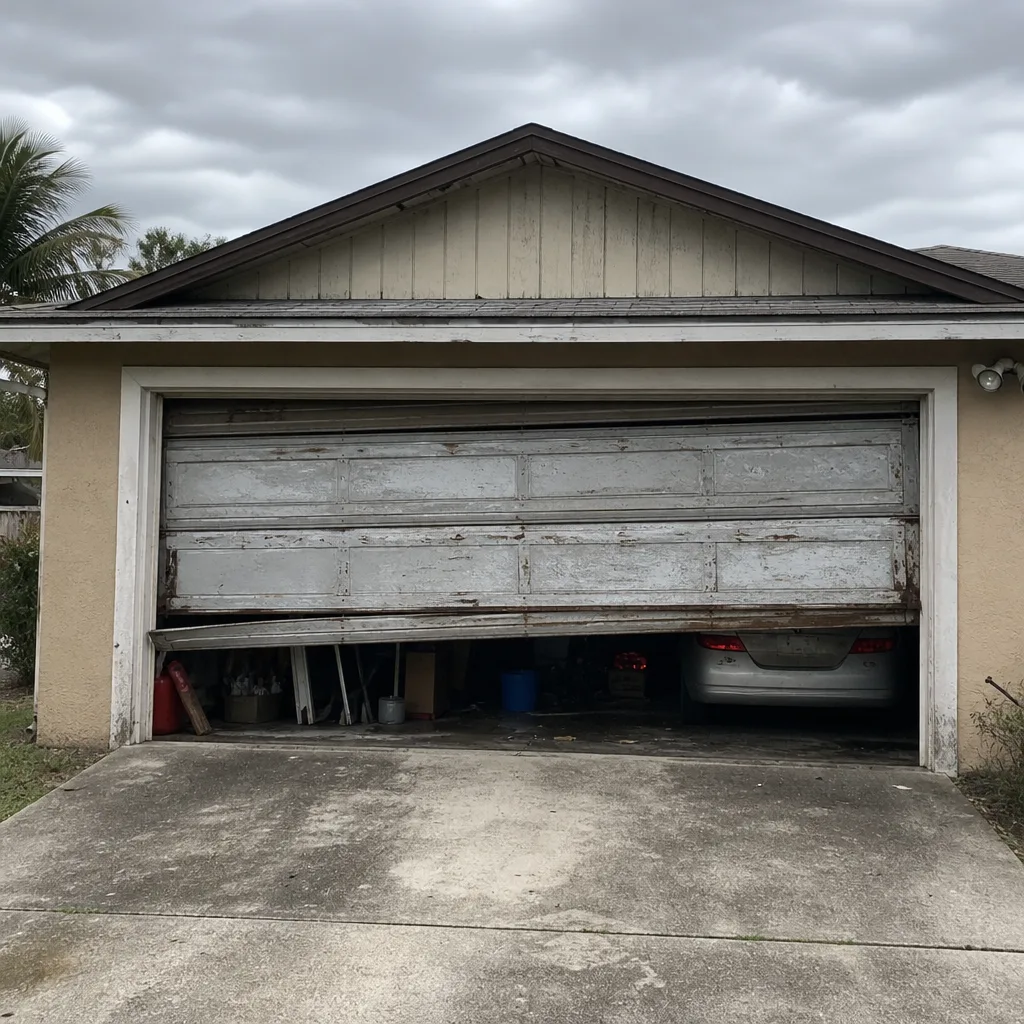 Before
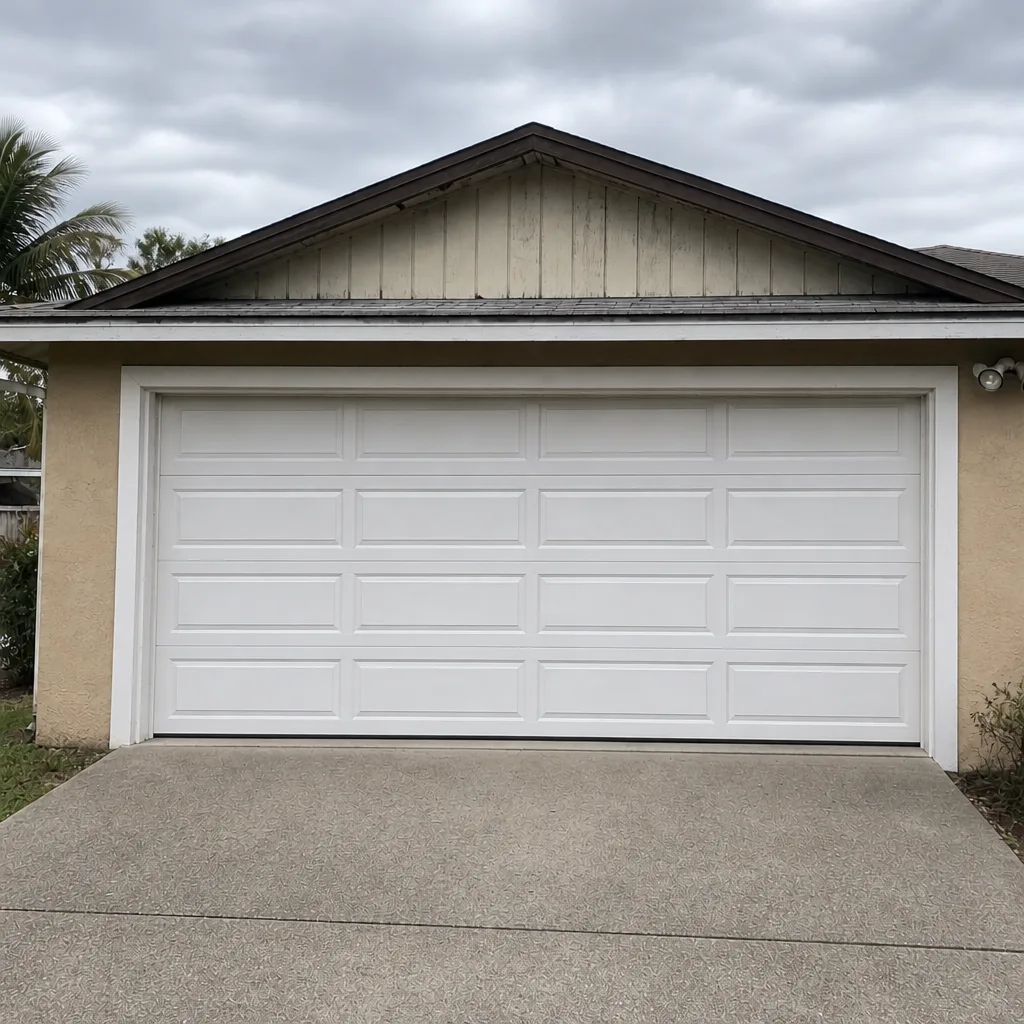 After
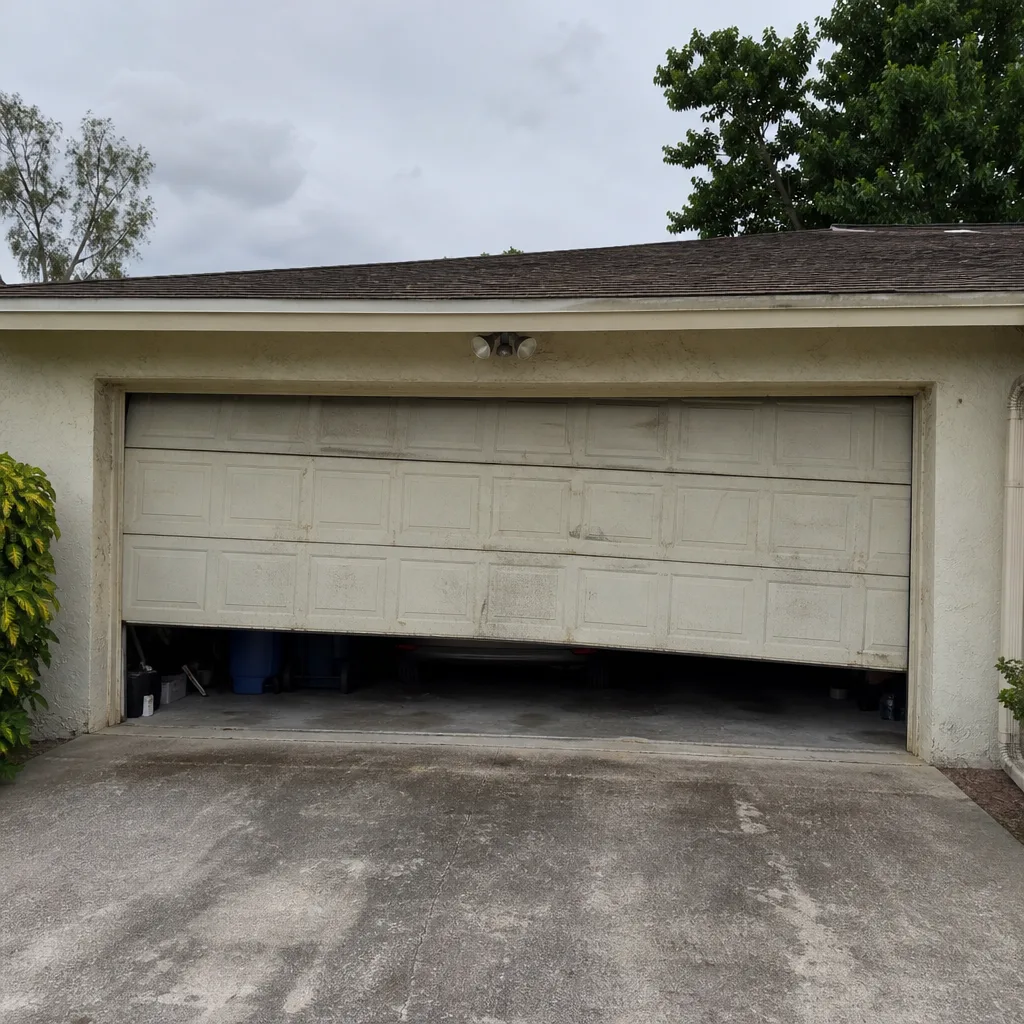 Before
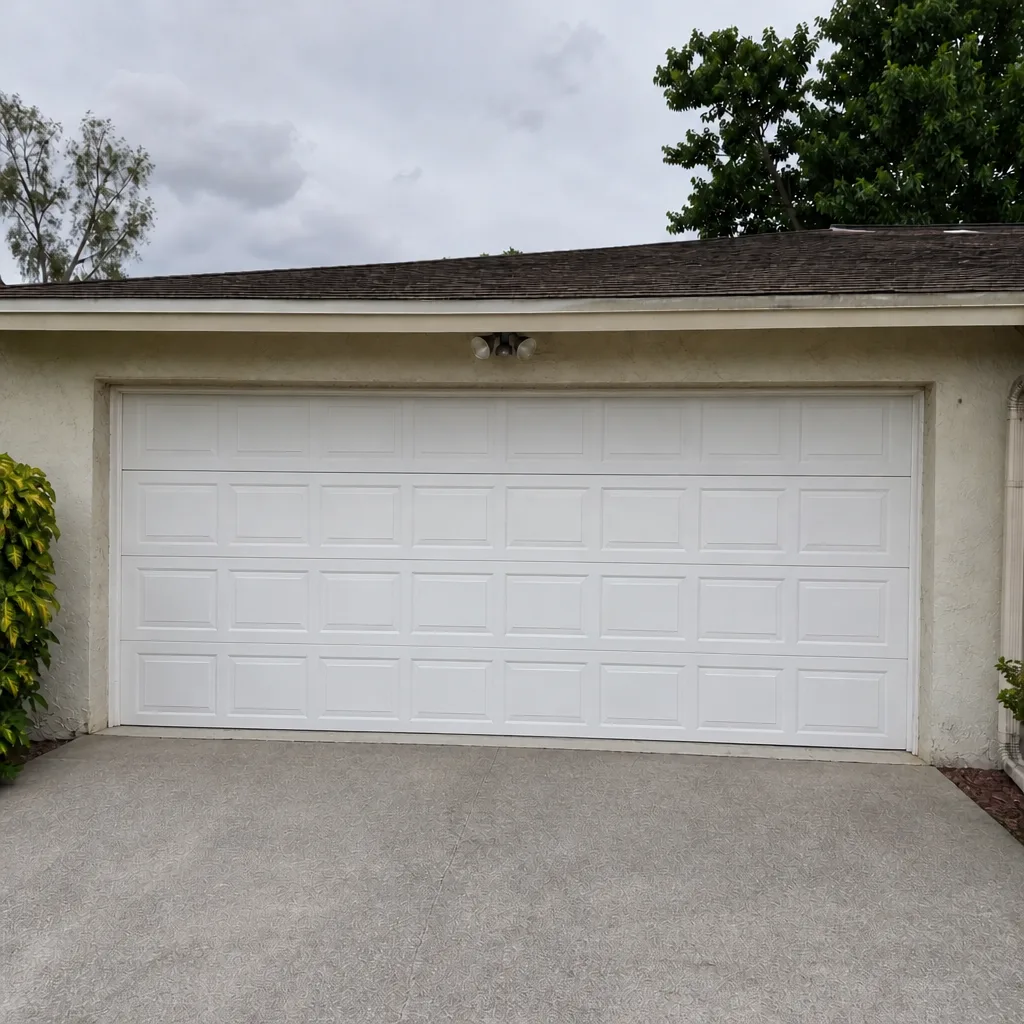 After
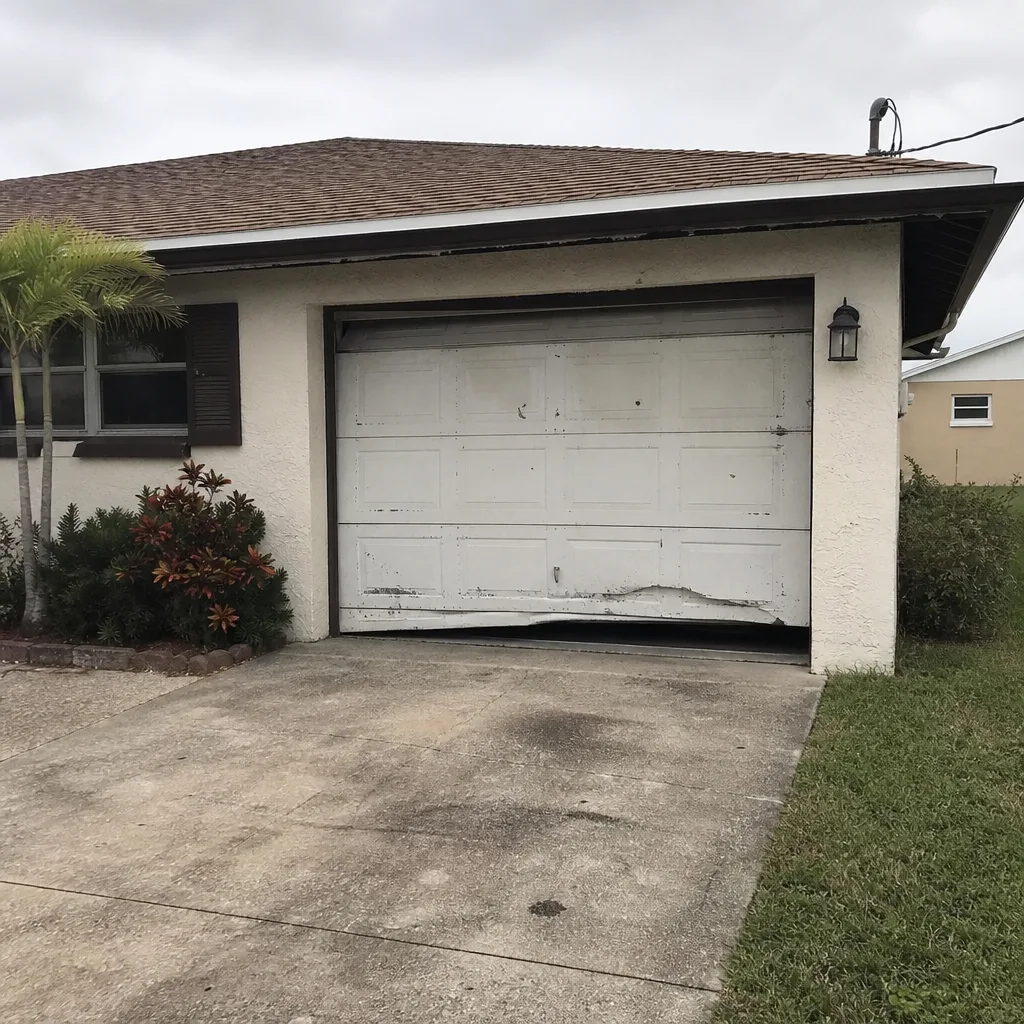 Before
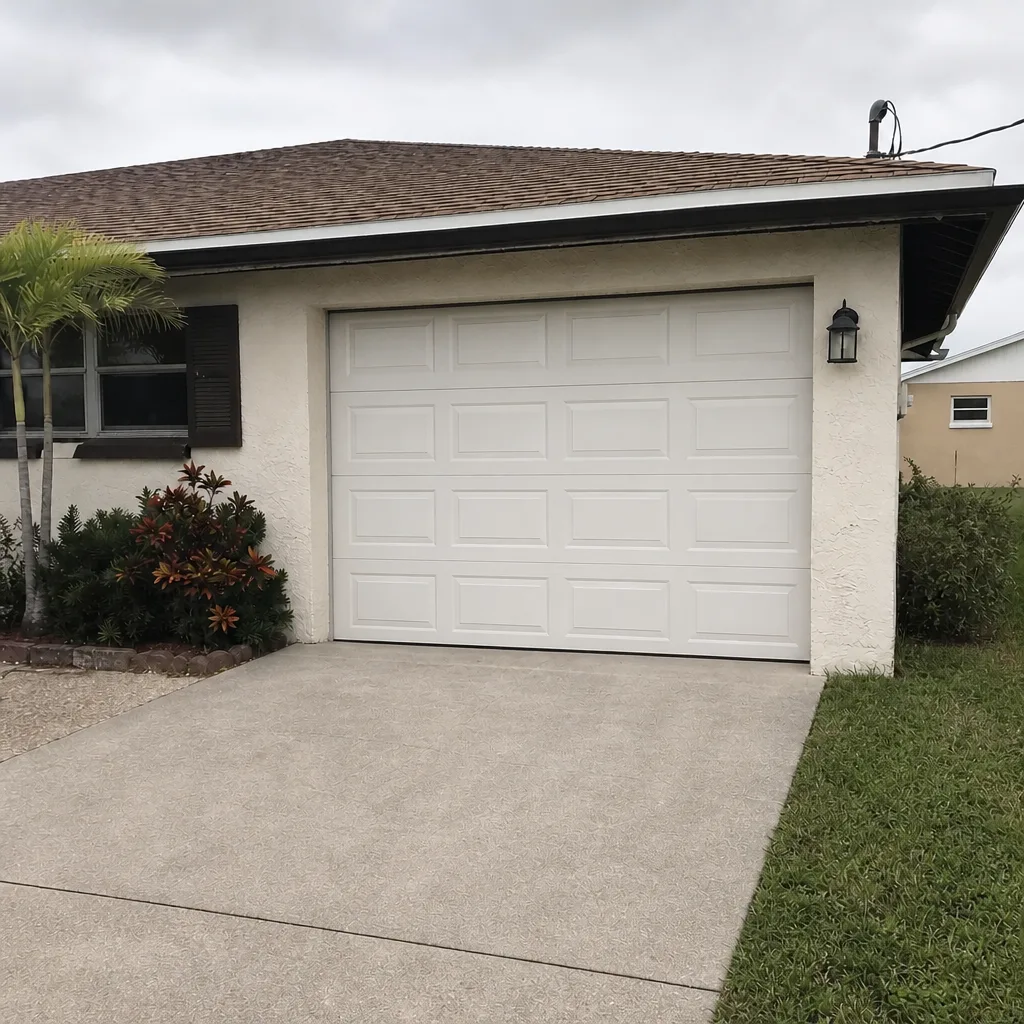 After
When to Call a Professional
Some permit questions you can settle with a phone call to the Cape Coral Building Division. Others need a technician on-site before you commit to anything. Call us if the door is hanging unevenly, if a spring has broken, if you’re hearing a loud bang or snap from the torsion tube, or if the opener is straining or reversing without reason. Call us before you order a replacement door so we can read the label, identify the rating, and tell you whether a permit is part of the job. Call us if you’ve had a permit approved but the installer’s anchoring detail doesn’t match the plan, or if you’ve bought a door and can’t tell what wind rating it carries. Cape Coral Garage Door Repair Pros offers free estimates in Cape Coral – call (877) 792-6011.
Frequently Asked Questions
You need a permit if the replacement changes the door’s wind rating, its anchoring, or the structural opening. A true like-for-like replacement of a door already permitted on that address may not need a new permit, but the distinction depends on the product approval number. Confirm with the Cape Coral Building Division before work begins, because the answer turns on the specific door, not the appearance. Call (877) 792-6011 for an exact quote on the installation – estimates are free.
Chapter 14 governs exterior openings in Florida’s wind-borne debris region, and a garage door in Lee County must carry a product approval that meets the design pressure for its opening and installation height. The approved plan specifies the door, the anchoring, and the surrounding structure requirements. The inspection verifies the install matches that plan. If your door is being replaced rather than repaired, the code applies and the permit process is how you prove compliance.
We don’t quote permit fees, because the fee comes from the Cape Coral Building Division and depends on the valuation and scope of the job. What we can tell you is that a permitted install produces the inspection record that supports your wind-mitigation documentation, which is the piece that matters at renewal. Call (877) 792-6011 for an exact quote on the install and the paperwork we handle – estimates are free.
A permitted, wind-rated garage door installation is one of the features that can feed into your wind-mitigation documentation, and Lee County homeowners often find that the garage door is a meaningful part of the calculation. Your insurer is the one who confirms how your carrier applies it. The important step on our side is making sure the installation is permitted, inspected, and documented so the feature can actually be verified. Call (877) 792-6011 to schedule a door assessment – estimates are free.
The inspector verifies that the installed door matches the approved product, the anchoring matches the approved detail, and the track and header match what was submitted. They may also check the opener and its safety features if it’s affected by the install. The most common failed inspection is anchor spacing that doesn’t match the plan. Working from the approval detail from the start avoids that. If you’re anywhere in Cape Coral, our team can walk the door with you before you decide on repair or replacement.
Yes. Spring replacement, cable work, roller and hinge replacement, and opener repair are repairs to the operating hardware and generally don’t require a permit. The exception is anything that changes the door’s structural rating or the opening itself. If the door is under extreme tension because of a broken spring or cable, leave it alone and call a trained technician. For garage door opener repair or spring work in Cape Coral, call (877) 792-6011. We answer 24/7.
You may need both, and the sequence matters. Start with the HOA covenant, get written architectural approval for the door style and color, then file the city permit referencing the product approval. A door that’s correct by code can still be rejected by your HOA, so ordering before the covenant check is the mistake to avoid. In Cape Coral, many communities have specific review requirements, so confirm both before you commit.
The risk isn’t only a city fine. An unpermitted install may leave you without the inspection record your insurer needs to support the wind-mitigation documentation, and a future buyer’s inspector can flag the missing record during the sale. Getting the permit is the simpler path. If you’re unsure whether a past install was permitted, the Cape Coral Building Division can tell you what’s on file for your address. Call (877) 792-6011 if you’d like us to read the door and document what’s there.
Timelines depend on the building department’s current workload and the completeness of the application, so we don’t quote a fixed number of days. What we can do is make sure the application goes in complete, with the product approval and installation detail attached, which avoids the resubmittal that stretches the process. Once the permit is issued, the install proceeds and the inspection follows. If a repair can’t wait on that timeline, call (877) 792-6011 and we’ll sort out what’s a repair versus what’s a permit job.
The Bottom Line
In Cape Coral’s wind zone, the permit question comes down to three things: the door’s rating, its anchoring, and the structural opening. A like-for-like swap can sit in the narrow band where a permit may not apply; anything that changes the rated assembly does not. The permit and inspection record is also what supports your wind-mitigation documentation with your insurer. Across Cape Coral, from older homes with original doors to newer builds mid-replacement, doing this sequence correctly – HOA approval, then permit, then install, then inspection – is what protects you at renewal and at resale. For any repair or replacement question, our team can help. Call (877) 792-6011 for a free estimate. We answer 24/7. Fast dispatch from 7am to 7pm, Sunday through Friday.
Written by the team at Cape Coral Garage Door Repair Pros.