
Last updated November 21, 2026
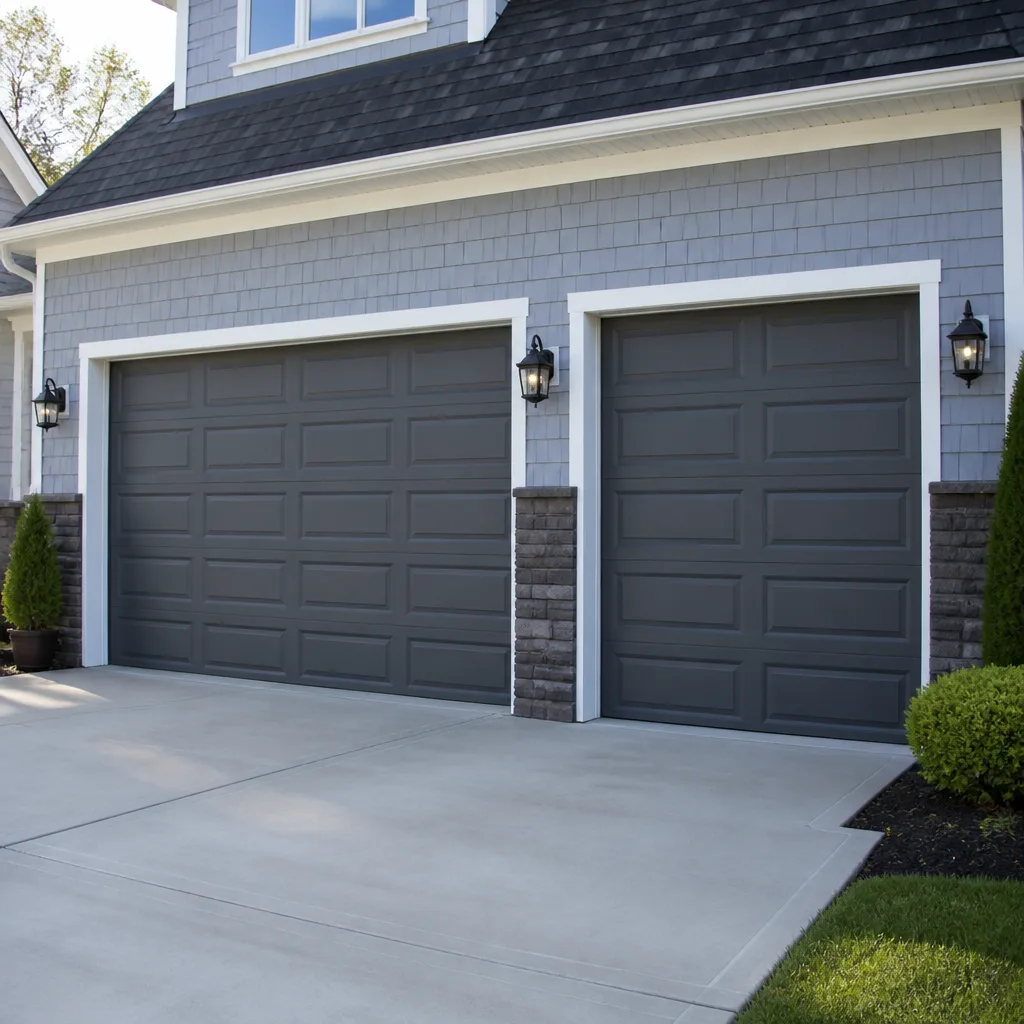 Raised-panel steel
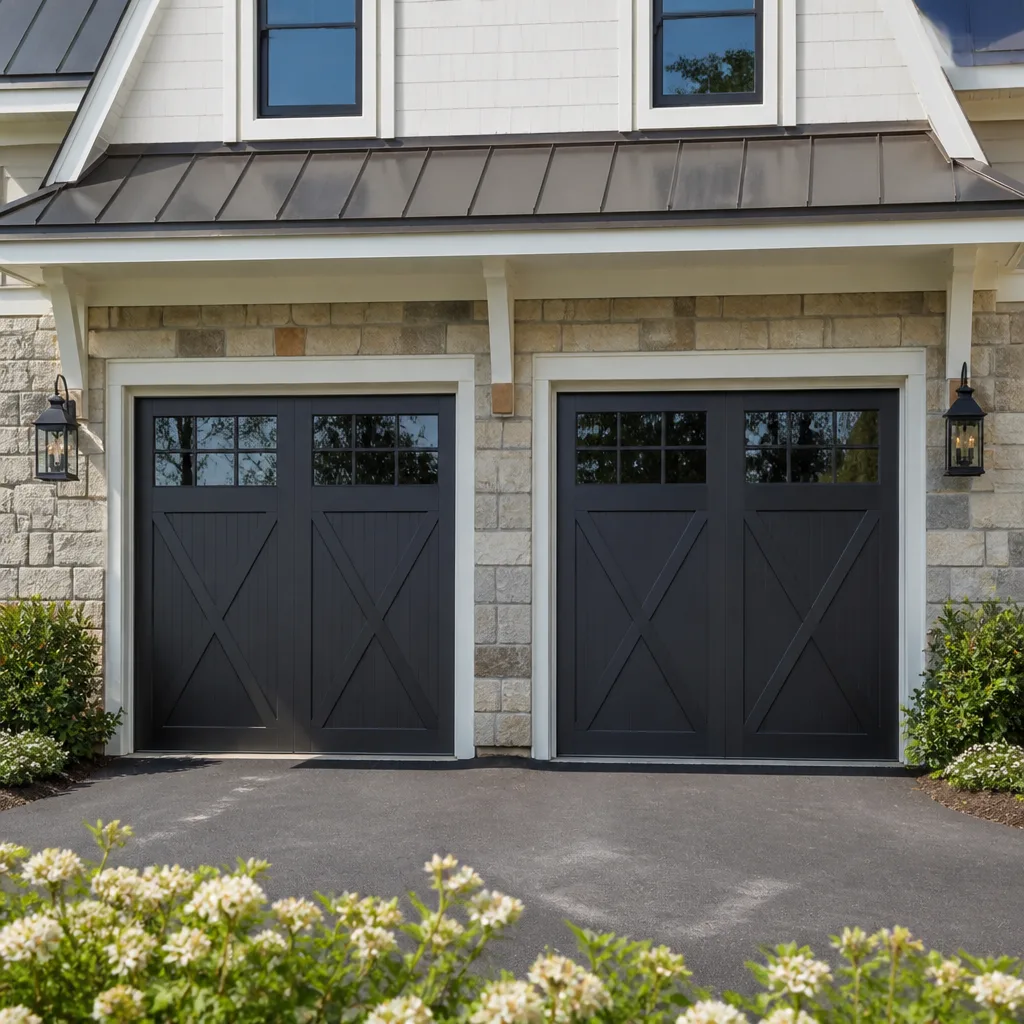 Carriage house
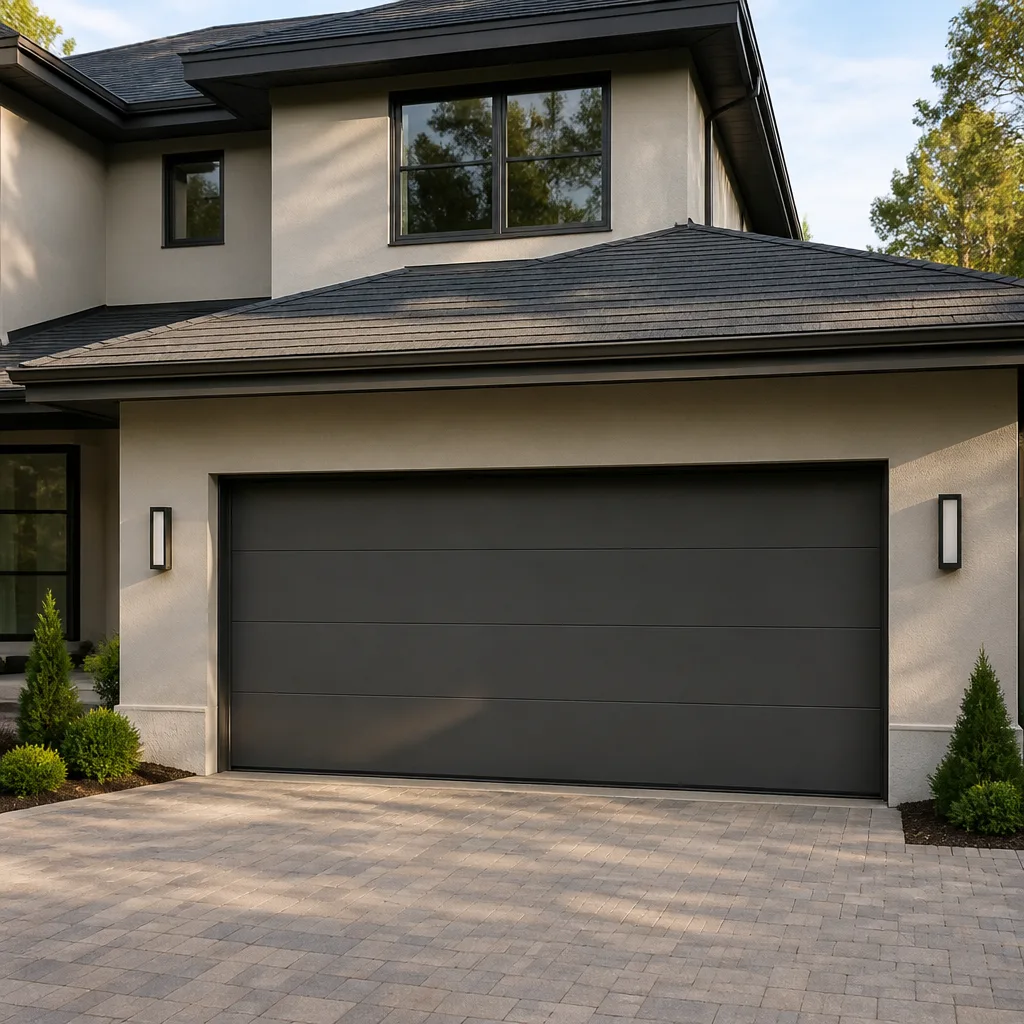 Modern flush
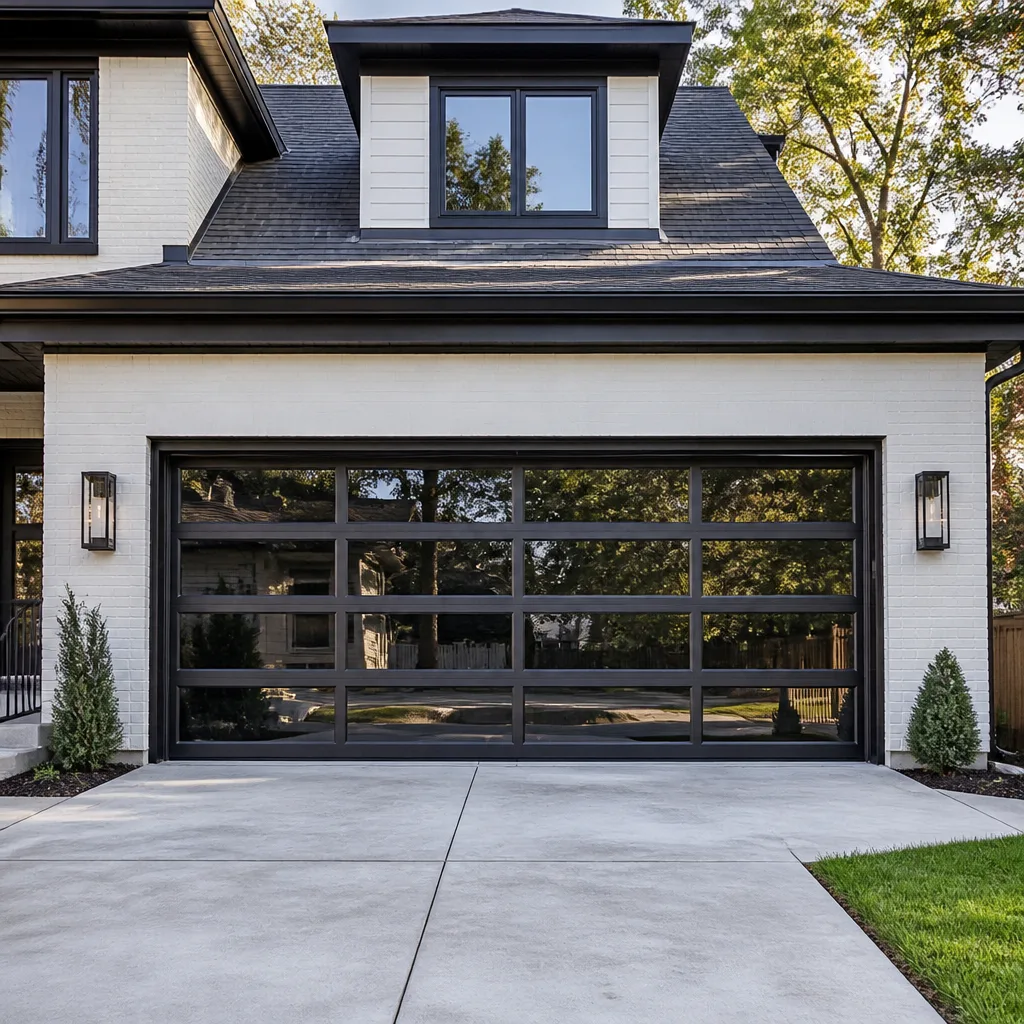 Full-view glass
 LiftMaster openers
 Chamberlain openers
Full 25-point door and opener safety check with every visit - springs, cables, rollers, tracks, and your LiftMaster or Chamberlain opener included
You get a price before we start. It does not change when the pro arrives.
Get your free estimateGarage Door Repair Maintenance Checklist for Cape Coral Homeowners
The number-one maintenance mistake we see in Cape Coral homes isn’t skipping lubrication. It’s lubricating the wrong parts with the wrong product. Homeowners reach for whatever can is in the garage and spray it on hinges, rollers, tracks and springs, then wonder why hardware that was already stressed by year-round humidity starts to gum up, bind and rust faster. A checklist that works in a dry climate doesn’t work here. What follows is a maintenance sequence built around what actually fails first in Cape Coral – the order of failure, not the order of convenience. You’ll learn which components get which product, how to read the early warning signs on springs and cables, and when to stop operating the door and call a specialist.
Quick Answer
A garage door maintenance checklist for Cape Coral homeowners should prioritize component-specific lubrication (silicone on moving metal contacts, white lithium grease on bearings and screw drives, nothing on tracks), monthly visual inspection of torsion springs and lift cables for rust pitting and fraying, bottom seal and weatherstripping checks for sun damage, and a safety-reverse test every month. Humidity swings here push cable and drum inspection to a more frequent cadence than the manufacturer’s generic schedule. Anything that looks like spring pitting or cable fraying means stop using the door and get a specialist.
Styles & brands we work with
- Raised-panel steel
- Carriage house
- Modern flush
- Full-view glass
- LiftMaster openers
- Chamberlain openers
Table of Contents
- Why Cape Coral’s Climate Changes the Maintenance Calendar
- Component-by-Component Lubrication: What Gets What
- Torsion Spring Rust Inspection: Reading the Warning Signs
- Cable and Drum Checks for Cape Coral Humidity
- Bottom Seal and Weatherstripping: UV Damage in Florida Sun
- Opener and Safety-Reverse Testing
- Hinges, Rollers, Tracks and Panel Hardware
- The Five Red Flags That Mean Stop Using the Door
- How Often to Do Each Check in Cape Coral
Why Cape Coral’s Climate Changes the Maintenance Calendar
Cape Coral sits in a subtropical climate with near-daily humidity swings and intense year-round sun. That combination does specific things to a garage door system that a manufacturer’s generic maintenance schedule doesn’t fully account for. Humidity moving up and down almost every day means metal components expand and contract repeatedly, which works fasteners loose and drives moisture into tiny gaps where it starts oxidation. The same swings stress the cable-and-drum assembly more than the steady climate of a drier region would. That’s why a Cape Coral homeowner should inspect cables and drums more often than the standard annual recommendation – not because the parts are worse, but because the environment applies more cycles per year.
UV exposure is the other pressure point. A west- or south-facing garage door in Cape Coral takes direct sun for long stretches, and the rubber and vinyl components – bottom seal, side weatherstripping, the seal around the top panel – degrade from ultraviolet light faster than the same parts would under cloud cover. When those seals crack, they stop blocking wind-driven rain and insects, and the inside of your garage picks up moisture that finds its way to hinges and springs. Maintenance here is less about polishing the system and more about catching the environment’s effects before they compound.
One more angle worth knowing: Cape Coral is a city of slab-on-grade homes, many of them one-story, and a great number of garages here face the street with a large stretch of unshaded door. That geometry means the sun hits the same door panels and seals day after day. If your door faces south or west, inspect seals and panel paint more often than the schedule heading later in this guide suggests. If you’re tracking which failures matter most, our overview of Cape Coral Garage Door Repair Pros is a useful starting point for understanding the system as a whole.
Component-by-Component Lubrication: What Gets What
Most lubricant damage we see in Cape Coral comes from three things: using a heavy grease in the wrong place, coating tracks that should stay dry, and spraying so much product that it collects grit. Humidity turns a light film into a paste that attracts dust, and dust in a hinge or roller wears parts faster than no lubrication at all. Match the product to the component and use less than you think.
What gets silicone spray
- Metal rollers and the roller shafts. A light silicone coat keeps the shaft turning freely without collecting grit.
- Hinge pivot points. One short spray at each hinge joint, on the pin, then wipe the excess.
- Springs, for light rust protection only. A very light silicone film on torsion springs helps slow surface oxidation. Do not flood them.
- Lock mechanisms and handle screws. Silicone keeps these working without gumming them up.
What gets white lithium grease
- Opener screw-drive rails. Lithium grease is the right call here – follow the opener manufacturer’s guidance, and if you have a LiftMaster or Chamberlain belt-drive unit, check the manual before touching anything.
- Bearing plates at the ends of the torsion shaft. A small amount at each bearing keeps them quiet.
- Drum grooves. A light film on the drum surface where the cable wraps helps the cable run cleanly.
What should never be lubricated
The tracks. This surprises people. Garage door tracks are meant to be clean and dry. Lubricant in a track mixes with outdoor grit and humidity to form a film that pushes rollers off course, and a door that didn’t squeak before will start binding. Wipe tracks with a dry cloth only. Also, never lubricate the torsion spring coils with heavy grease or oil – the product attracts grit and can trap moisture against the metal. And never lubricate the safety photo-eye lenses. Those need a soft cloth and a wipe.
For a door that’s already noisy despite proper lubrication, the problem may not be lubrication at all. See our guide to garage door opener repair if the noise is coming from the unit itself.
Torsion Spring Rust Inspection: Reading the Warning Signs
Torsion springs are the most dangerous component on the door. They hold the full weight of the door under extreme tension, and when one fails it releases all that energy at once. Never try to adjust, lubricate by hand under tension, wind, or unwind a torsion spring. Do the visual inspection from a safe distance and call a trained technician for any work on the spring assembly. That warning applies here and throughout this guide.
What you can do safely is look. In Cape Coral’s humidity, springs develop surface rust faster than they would in a dryer climate, and surface rust progressing to pitting is the early warning of a snap failure. Here’s what to watch for:
- Visual rust pattern. Light surface discoloration on the coil is manageable. Dark orange or brown rust concentrated at the coil’s ends is a sign the spring is degrading.
- Pitting. Small pits where the rust has eaten into the metal. If you can see pitting, or feel it with a gloved finger run along a spring that’s not in operation, that’s a call-now situation.
- Gaps in a torsion spring. A torsion spring should be coiled tight. A visible gap between coils means the spring has stretched and lost tension.
- A slight sag or curve. A torsion spring that looks bowed rather than straight is under stress.
- Sound. A loud “bang” from the garage is the sound of a spring breaking, and it usually happens when the door is opening or closing. If you hear this, stop using the door.
- Painting or coating the spring. Don’t. A painted spring hides rust, and if the paint chips the metal underneath can start pitting without any visible warning.
In Cape Coral, spring rust is a real concern regardless of door brand. Springs on a Clopay or Amarr door installed here face the same humid air as the ones on a LiftMaster system. A quick glance at both springs whenever you walk past is the single best preventive habit. If a spring has pitted, our region’s garage door repair specialists can inspect the system and tell you whether one spring or a matched pair needs replacing.
Cable and Drum Checks for Cape Coral Humidity
Lift cables are the second-most-dangerous component on the door, and they’re also the part that a Cape Coral climate stresses most. Cables are high-tension steel; they fail by fraying and by breaking suddenly. Under-humidity cycles, the cable strands oxidize from the inside, and a failed cable can let the door drop on one side. Don’t handle cables under tension – inspect them visually from a distance, and call a professional for anything beyond a look.
What to look for on a monthly visual check:
- Frayed wires. Any broken wire strands poking out from the cable. Even one strand means the cable is compromised.
- Rust on the cable surface. Light orange is a warning; dark brown or black means failure is coming.
- Uneven cable tension. One cable visibly slack while the other is tight. This is normal for about a second when the door moves, but should not persist when the door is closed.
- Drum alignment. The cable should wrap evenly in the drum groove. Cable riding over itself, or a drum with visible wear grooves, means service.
- Doors that hang crooked. A door that looks level when closed but shifts sideways during opening or closing usually has a cable or drum problem.
The manufacturer’s standard cable inspection interval is typically annual, and for many climates that’s enough. In Cape Coral, the near-daily humidity swing argues for checking cables and drums more often – every few months, or any time you’re already out doing a lubrication pass. This is the one component where we’d push the frequency beyond the manual. There’s no downside to looking.
Bottom Seal and Weatherstripping: UV Damage in Florida Sun
The bottom seal (sometimes called the bottom weatherstrip or astragal) is a rubber or vinyl strip along the bottom of the door that makes contact with the floor. On a Cape Coral door facing sun, this piece takes a beating. UV light turns the rubber hard and brittle, and after a season or two it starts cracking and pulling away. When that happens, the seal stops blocking wind-driven rain, insects and small debris – and the water that gets in becomes a slow problem for the steel parts inside the garage.
Inspect the bottom seal by opening the door about a foot and looking at the underside:
- Cracking or splits. Look along the length of the rubber. Small cracks grow quickly.
- Hardness. Press with a thumb. The rubber should feel springy. Hard or crumbly means replacement time.
- Gaps at the floor. Close the door and look at the floor line from inside the garage. If you can see light, wind and water are getting in.
- Side and top weatherstripping. These take less sun but still degrade. Look for curling edges and gaps along the door frame.
Bottom seal replacement is one of the lower-risk maintenance items you can handle yourself if the door is fully closed and the torsion springs aren’t bearing tension on the seal itself. If the seal has pulled loose from the retainer, the retainer may need replacement, which is best handled by a technician.
Opener and Safety-Reverse Testing
An opener that’s working is easy to forget. An opener that stops working – or stops responding to a remote – is what gets a midnight call. In Cape Coral humidity, opener circuit boards and the wall-mounted control can be affected by moisture if the garage isn’t well-sealed, and that’s precisely why keeping the bottom seal and weatherstripping intact matters. A dry garage keeps the opener dry.
Monthly opener checks:
- Safety-reverse test. Place a roll of paper towels or a two-by-four flat on the floor in the path of the door. Press the close button. The door should reverse when it contacts the object. If it doesn’t, the door is a safety hazard and needs service before you use it again.
- Photo-eye test. Wave your hand in front of the safety sensors while the door is closing. The door should reverse. If it doesn’t, check that both eye lenses are clean and aligned – a dry cloth and a small adjustment may fix it.
- Force adjustment. The door should open and close smoothly. If it stops partway and reverses, the opener’s force setting may be off, or there’s a mechanical issue.
- Remote and wall panel. Test both. If the remote works but the wall panel doesn’t (or vice versa), the issue is usually the control, not the opener.
- Battery check. Replace remote batteries annually – they fail quietly, and a dead battery looks exactly like a dead opener.
If your opener is a LiftMaster or a Chamberlain with the myQ app, keep an eye on the app’s door status. Multiple false alerts or failed remote commands often signal a sensor problem before complete failure. A Genie opener from the same era has its own button sequence for reprogramming – check the manual before assuming the unit has died. If your opener is the problem, our garage door opener repair service covers the major brands.
Hinges, Rollers, Tracks and Panel Hardware
Hinges and rollers are the small parts that generate most of the noise and most of the slow failures. In Cape Coral, humidity does two things to them: it rusts the roller shafts and hinge pins, and it loosens the fasteners that hold the hinges to the door. A loose hinge can pull a screw out of the panel, and a panel with stripped screw holes is expensive to fix. Tightening hinges and checking rollers is a monthly habit worth building.
Here’s what to do:
- Wiggle each hinge. If it moves more than a tiny amount, tighten the mounting screws.
- Look for stripped or missing screws. A missing screw in a hinge is a small problem today and a loose hinge tomorrow. Replace it with the same size.
- Rollers. Nylon rollers wear quieter than steel, but steel rollers on an older door can develop flat spots. Roll a steel roller between your fingers – if it doesn’t turn freely, replace it.
- Tracks. Wipe tracks with a dry cloth. Look for dents and bends. A bent track needs realignment, not a hammer. Don’t try to bend a track back yourself; a misaligned track can cause a door to come off its rollers.
- Panel hardware. Check the bolts that join panels. Look for loose bolts and rust along the seams where panels meet.
- Struts and brackets. Look for bent struts and loose brackets at the top panel. A bent strut is a structural sign the door’s weight is unbalanced.
If you’re weighing repair against a new door, our guide to garage door installation covers what replacement involves and how to plan around the measure.
The Five Red Flags That Mean Stop Using the Door
Not every problem needs a call to a professional immediately, but five specific situations do. If you see any of the following, stop using the door and call a specialist rather than waiting for the next scheduled service.
- A snapped torsion spring. A loud bang followed by a door that only opens a few inches means a torsion spring has broken. Do not try to open the door. The door will be extremely heavy and could come down unexpectedly.
- Frayed or broken lift cable. Any broken wire strand visible on a cable means the cable is on its way to failing. Once a cable goes, the door can drop on one side. Stop using it.
- A door that reverses when it shouldn’t, or doesn’t reverse when it should. A failed safety-reverse test is a hazard to anyone under the door. Disconnect the opener and use the manual release only if you can do so safely.
- A door hanging visibly crooked or shifted on its tracks. A racked door is a door that can come off the track. Do not try to force it closed.
- A bent or broken track or a door that comes off its rollers. This is a structural problem. Stop using the door and call for service.
One more situation worth naming: a door that’s been making new noises for weeks and then suddenly goes quiet isn’t fixed. It’s usually about to fail. If your gut says something’s off, get it checked. A garage door repair visit is cheaper than a panel or cable failure after a door has come down.
How Often to Do Each Check in Cape Coral
Manufacturer schedules assume a mid-continent climate. In Cape Coral, shift several items to a shorter interval. Here’s our recommended cadence based on the failure patterns we see.
- Monthly: safety-reverse test, photo-eye test, visual glance at torsion springs and lift cables, wipe tracks dry, hinge wiggle test.
- Every few months: full lubrication pass – silicone on rollers, hinges and spring film, white lithium on screw-drive rails and bearings.
- Quarterly: bottom seal and weatherstripping inspection, especially on south- and west-facing doors.
- Twice a year: opener force adjustment check, remote battery replacement, full cable and drum inspection.
- Annual: professional spring and cable inspection, even if everything looks fine.
The main adjustment from a generic schedule is cable and drum inspection frequency. Cape Coral’s near-daily humidity swings push that from annual to twice a year or more. If you’re unsure whether your door’s inspection history is current, call us and we’ll walk you through what to look at.
Common Mistakes to Avoid
- Lubricating the tracks. This is the single most common mistake. Tracks are meant to be dry. Lubricant plus grit equals binding.
- Using WD-40 as a general-purpose lubricant. WD-40 is a light solvent, not a long-term lubricant. It displaces moisture, but it also attracts dust once it dries. Use it to free a stuck part, then apply the right product.
- Ignoring spring rust because the door still works. Springs don’t fail gradually in a way you can see coming – by the time you notice, they’re past their safe limit. Cape Coral’s humidity accelerates the timeline, so surface rust deserves a technician’s look.
- Painting over spring rust. It hides the warning sign. Leave the springs unpainted and look at them every month.
- Adjusting torsion springs yourself. Torsion spring work is the most dangerous job on a garage door. It’s not a DIY repair. Call a trained professional.
- Skipping the safety-reverse test because the door “seems fine.” The test takes a minute. It’s the one check that protects the people walking under the door.
- Replacing the bottom seal without checking the retainer. If the retainer is bent or rusted, the new seal will pull out. Inspect the retainer before ordering parts.
See the difference
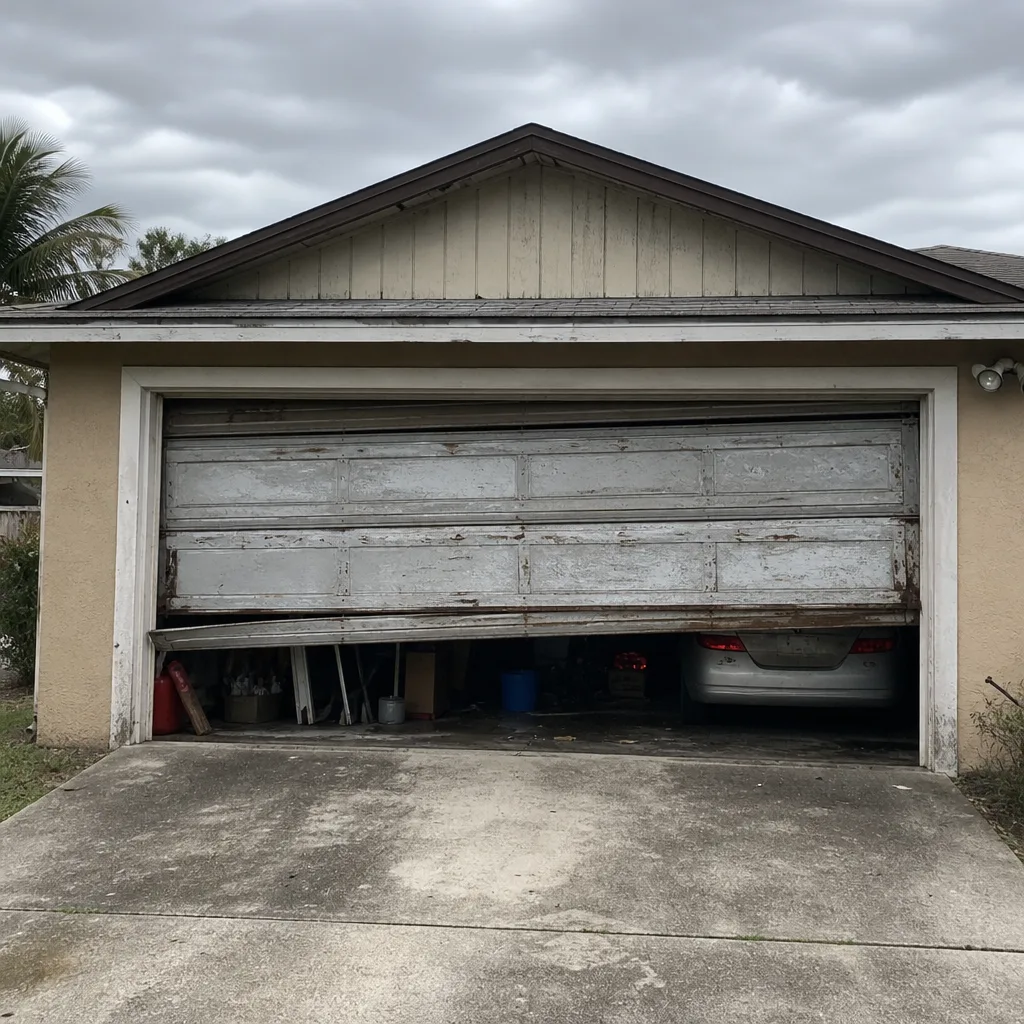 Before
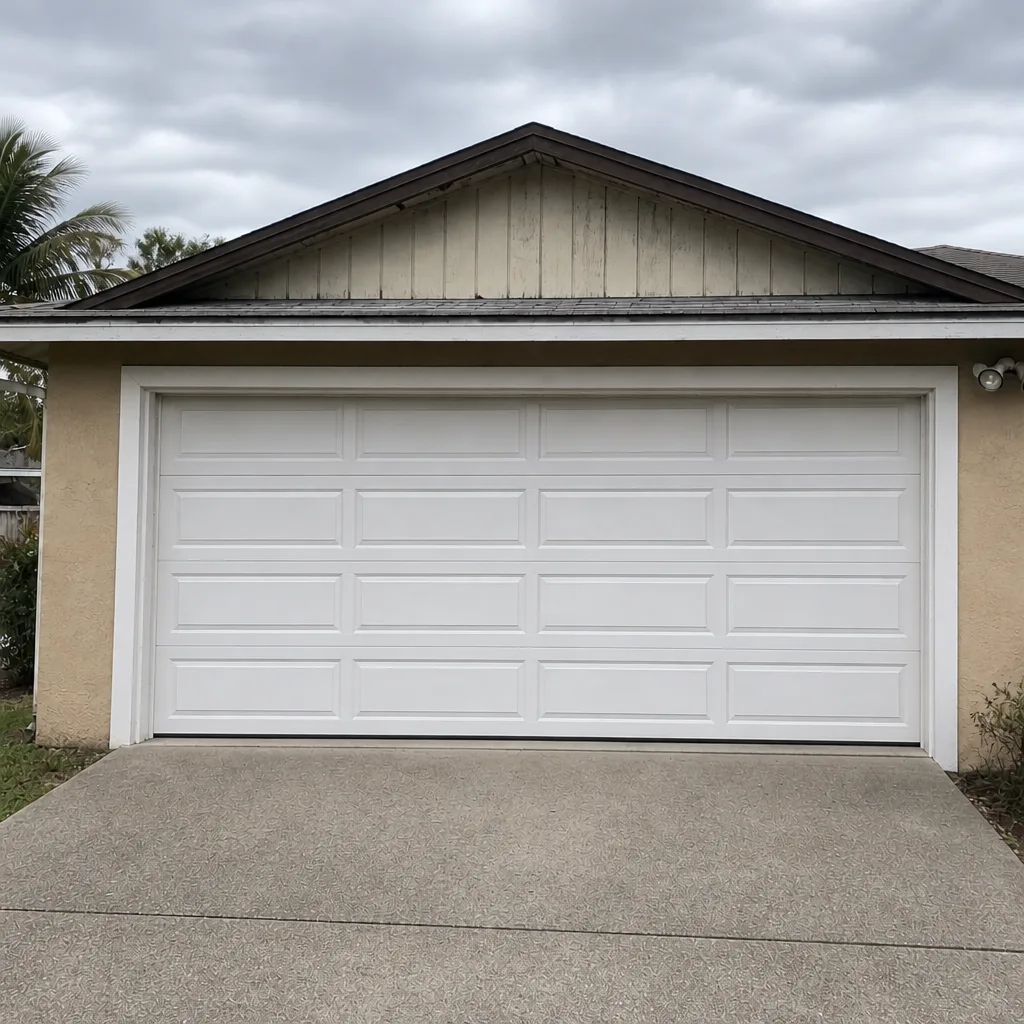 After
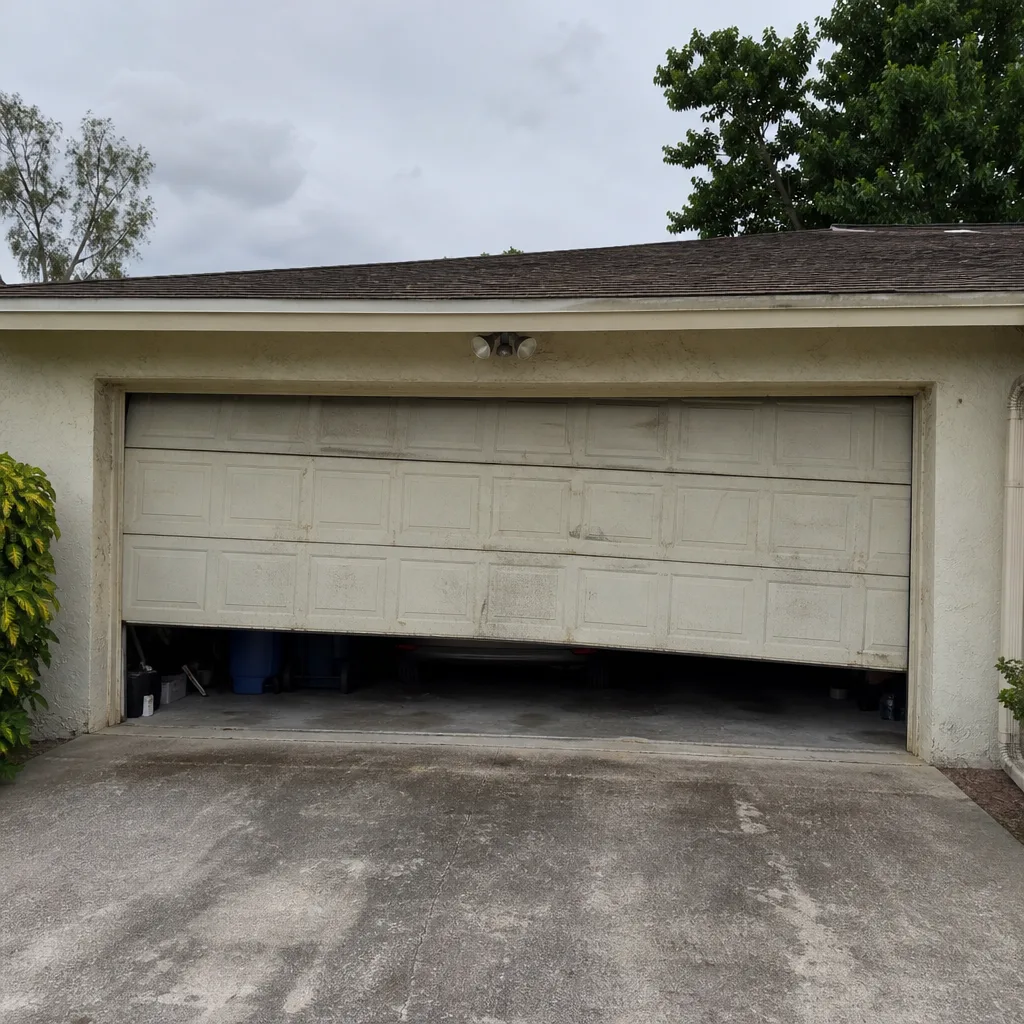 Before
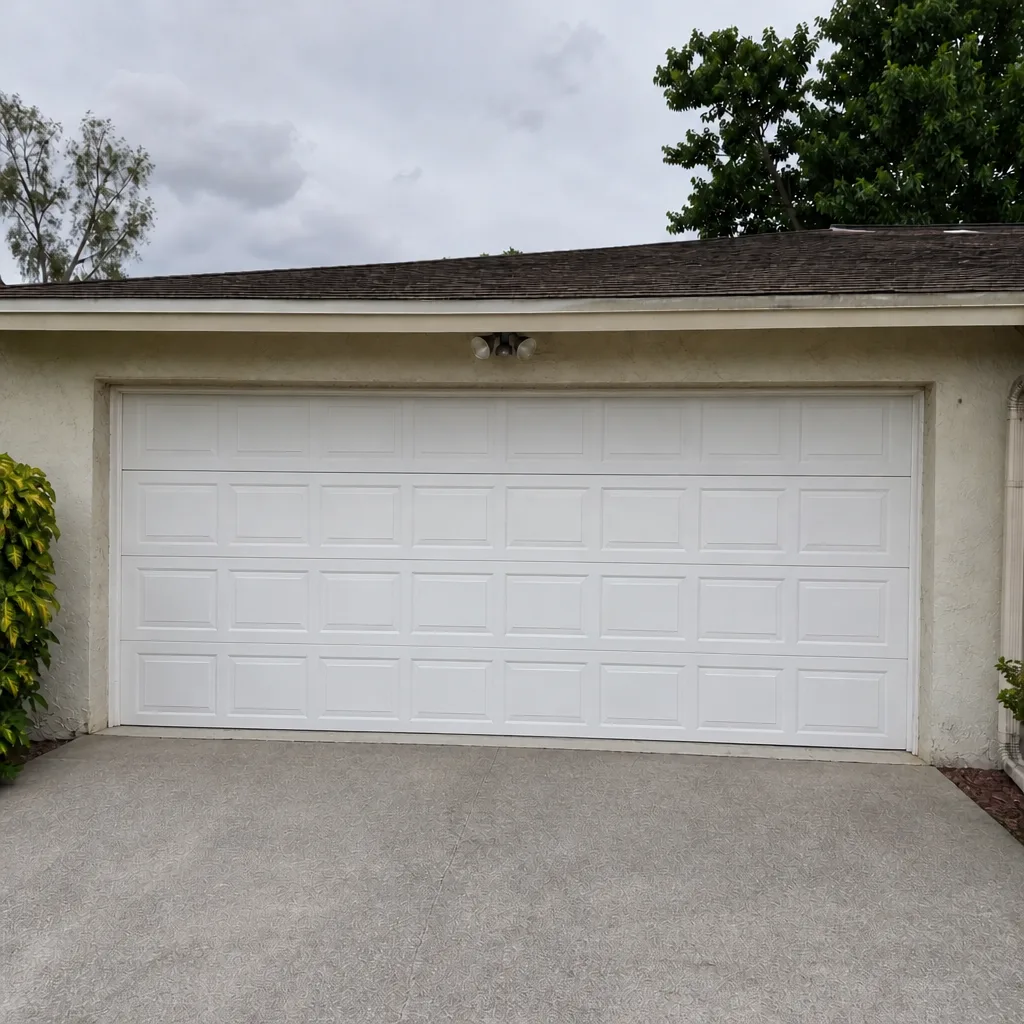 After
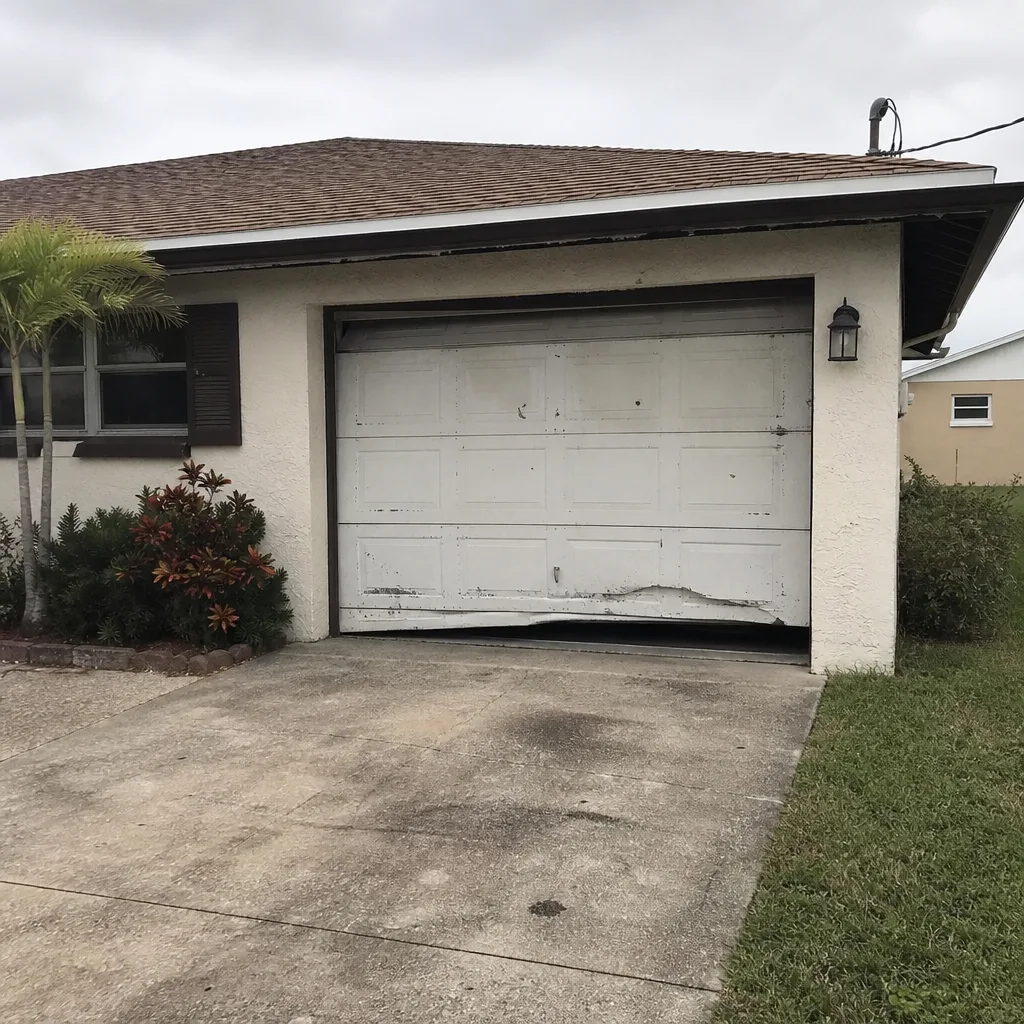 Before
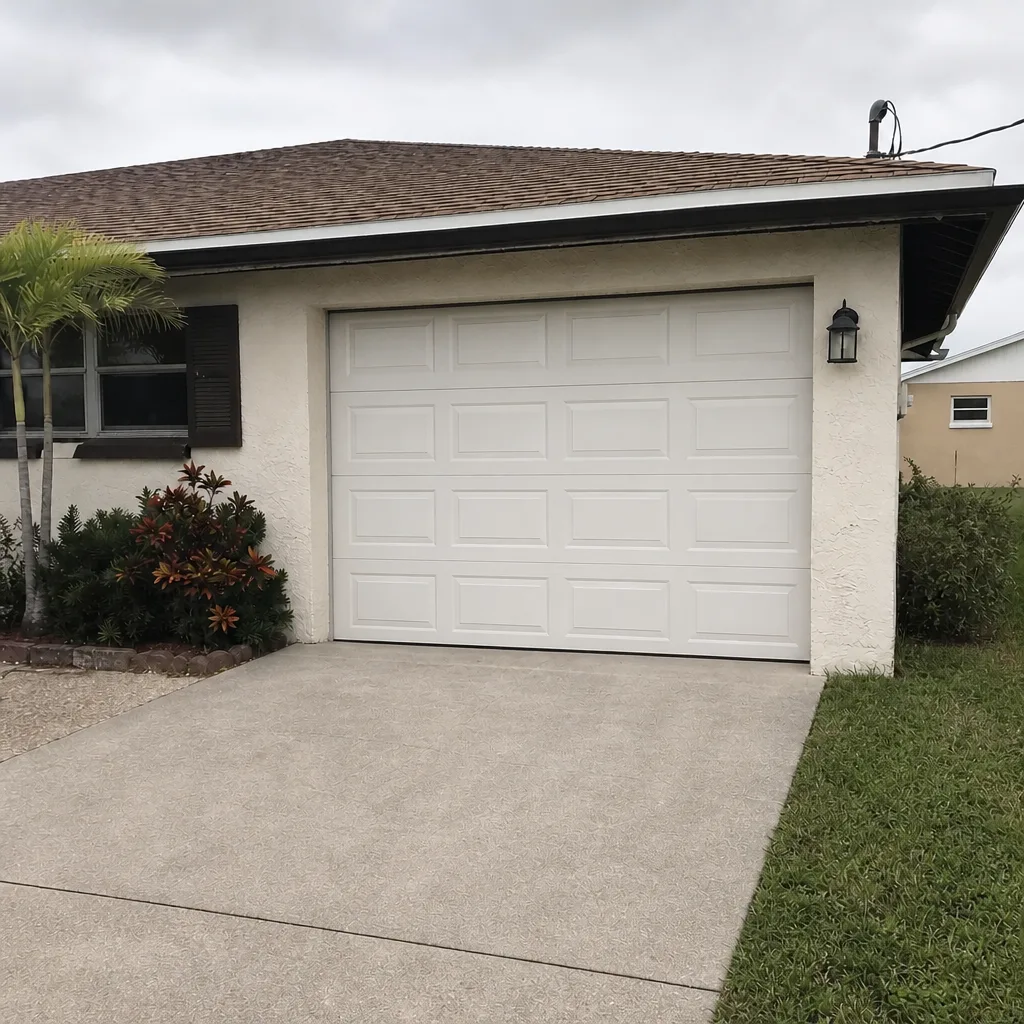 After
When to Call a Professional
Call a professional for anything involving torsion springs, lift cables, drums, tracks, and the opener’s internal wiring. These are the parts where a mistake can cause serious injury or make a repairable problem much more expensive. Call immediately if the door has stopped opening, if you see a bent track or a door that’s off its rollers, if a spring has snapped, or if a cable has frayed. Also call if a door that used to be smooth suddenly becomes noisy, jerky or hard to lift – those are usually the first signs of spring or cable fatigue. Cape Coral Garage Door Repair Pros offers free estimates in Cape Coral – call (877) 792-6011. We answer 24/7. Fast dispatch from 7am to 7pm, Sunday through Friday.
Frequently Asked Questions
Every few months in Cape Coral, rather than the annual interval that suits a drier climate. Humidity here means the same components that take a year to dry out elsewhere lose their protective film faster. Use silicone spray on hinges, rollers and a light spring film, white lithium grease on screw-drive rails and bearings, and never lubricate the tracks. Call (877) 792-6011 for an exact quote on a full lubrication and inspection service – estimates are free.
Look for dark rust concentrated at the spring ends, small pits in the metal, visible gaps between coils, or a spring that looks bowed rather than straight. Any of those means it’s time for a professional inspection. Never test or adjust a torsion spring yourself – the danger is real. Call (877) 792-6011 to book an inspection.
The local professionals we connect you with are licensed and insured as their state requires, and our technicians have up to 15 years of experience across the major garage door and opener brands. The written estimate sets the price before any work starts. Call (877) 792-6011 for a free estimate.
A door that reverses on contact is usually a safety-reverse system set too sensitive, or a mechanical issue with the door’s travel. First, check that the photo-eye lenses are clean and aligned. If they are, the problem is in the opener’s force setting or the door’s balance, and it needs a technician. Call (877) 792-6011 – estimates are free.
A single loud bang, followed by a door that won’t fully open, usually means a torsion spring has snapped. Stop using the door. Do not try to open it manually – it will be extremely heavy. Call (877) 792-6011 and we’ll book you for the next opening. If your call comes outside dispatch hours, we answer 24/7 and will book you into the next opening, Sunday through Friday, 7am to 7pm.
We work on the eight brands most widely installed on Cape Coral homes: LiftMaster, Chamberlain, Genie, Clopay, Amarr, Wayne Dalton, Craftsman and Raynor. That means the tech who shows up can diagnose your specific system rather than guess at it. Call (877) 792-6011 for an exact quote – the estimate is free and the written price is set before any work starts.
The Bottom Line
A checklist for Cape Coral homes should be sequenced by what fails first in this climate, not by what’s easiest to check. Springs and cables come first, then seals, then opener safety tests. Lubricate the right parts with the right product and leave the tracks dry. Watch for spring pitting and cable fraying on a monthly rhythm rather than an annual one, because the humidity here does more work per year than the manufacturer’s schedule anticipates. If you see any of the five red flags, stop using the door and call. A free estimate from Cape Coral Garage Door Repair Pros is a low-cost way to catch a failure before it becomes a bigger job.
Call (877) 792-6011 for a free estimate. We answer 24/7. Fast dispatch from 7am to 7pm, Sunday through Friday. Whether your door is a LiftMaster opener that’s stopped responding, a Clopay door with a cracked bottom seal, or a Wayne Dalton system with a spring that’s been making noise for weeks, a single visit can cover the parts, the fix, and the maintenance that keeps it running. Garage doors are all we do.
Written by the team at Cape Coral Garage Door Repair Pros.