
Last updated November 21, 2026
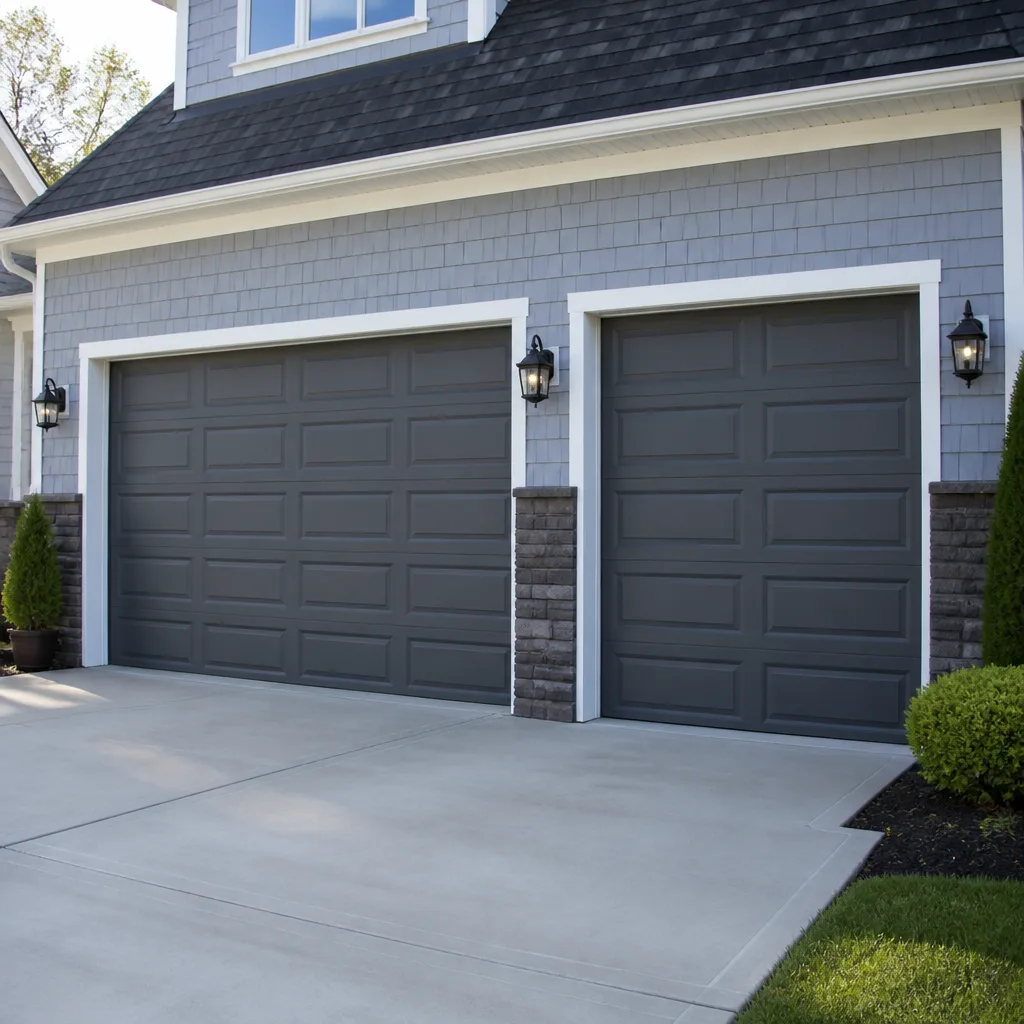 Raised-panel steel
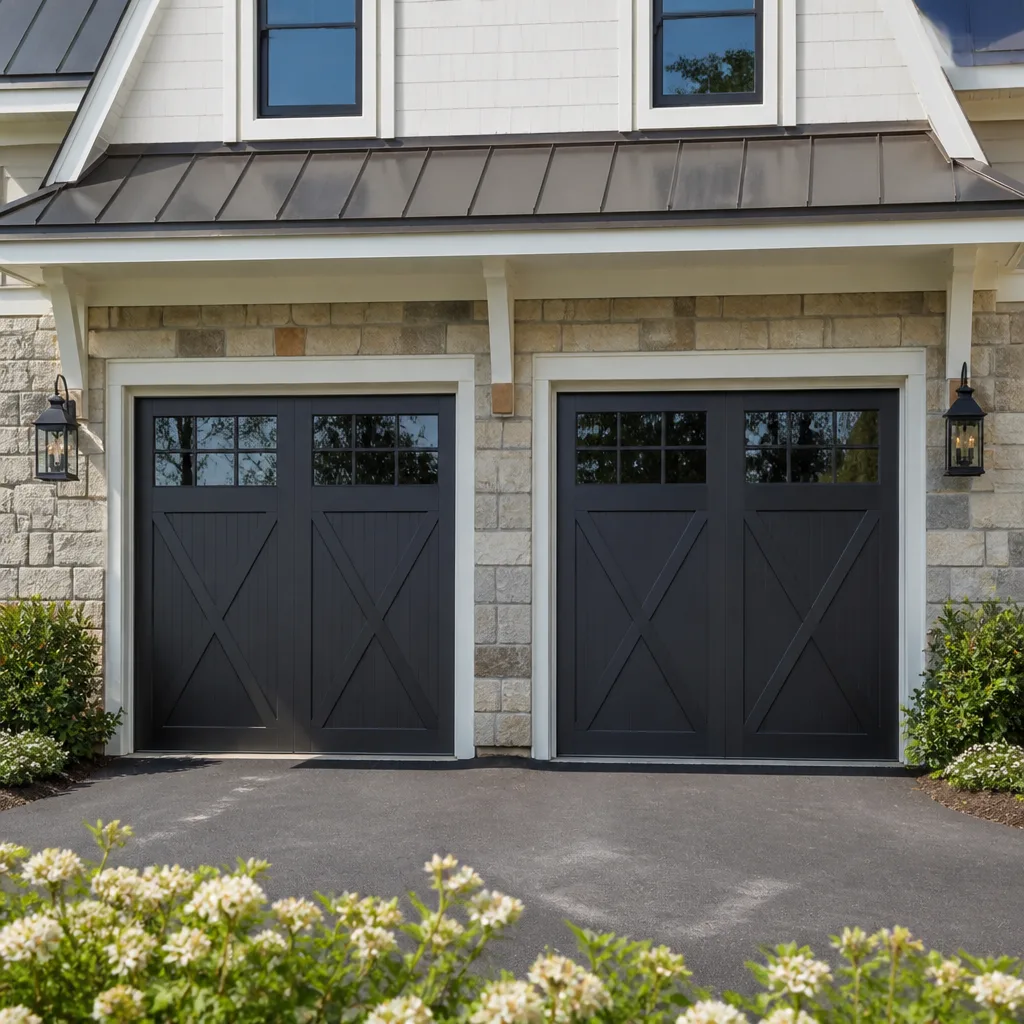 Carriage house
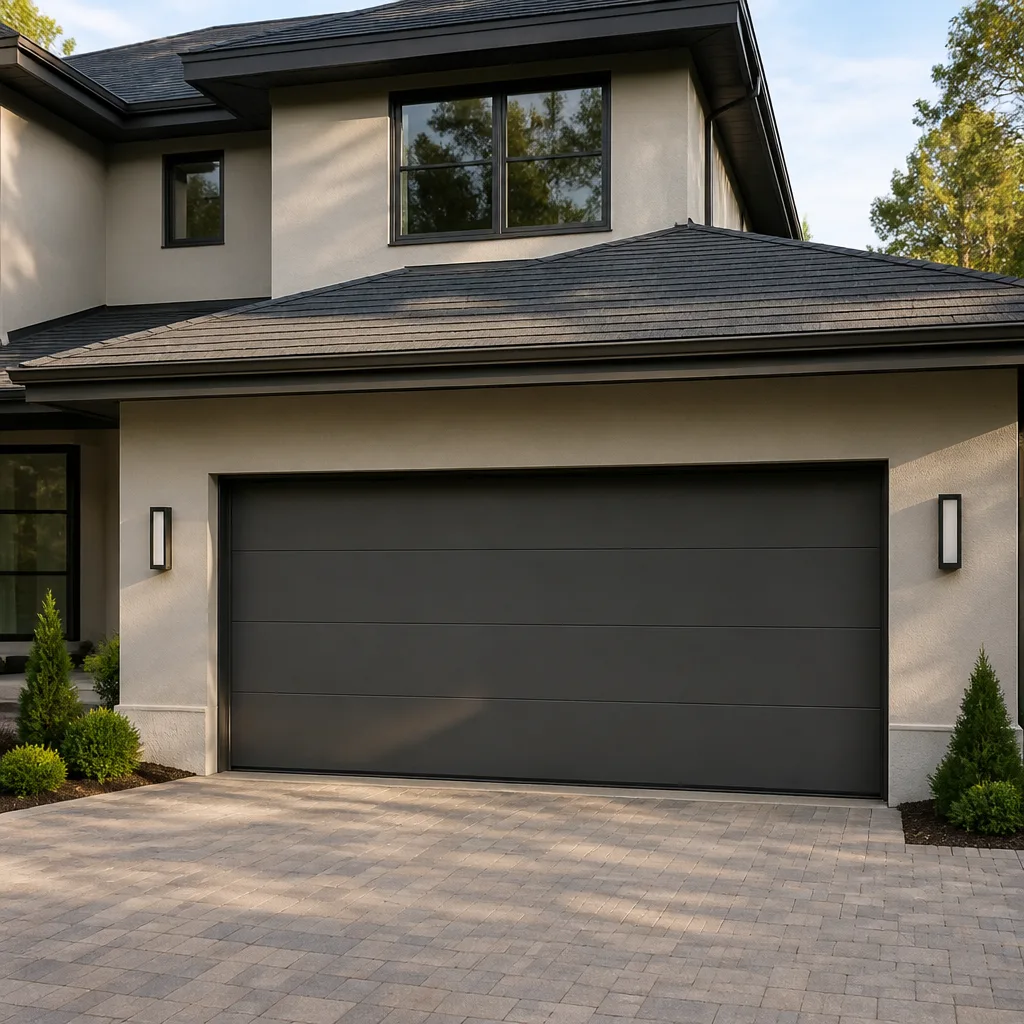 Modern flush
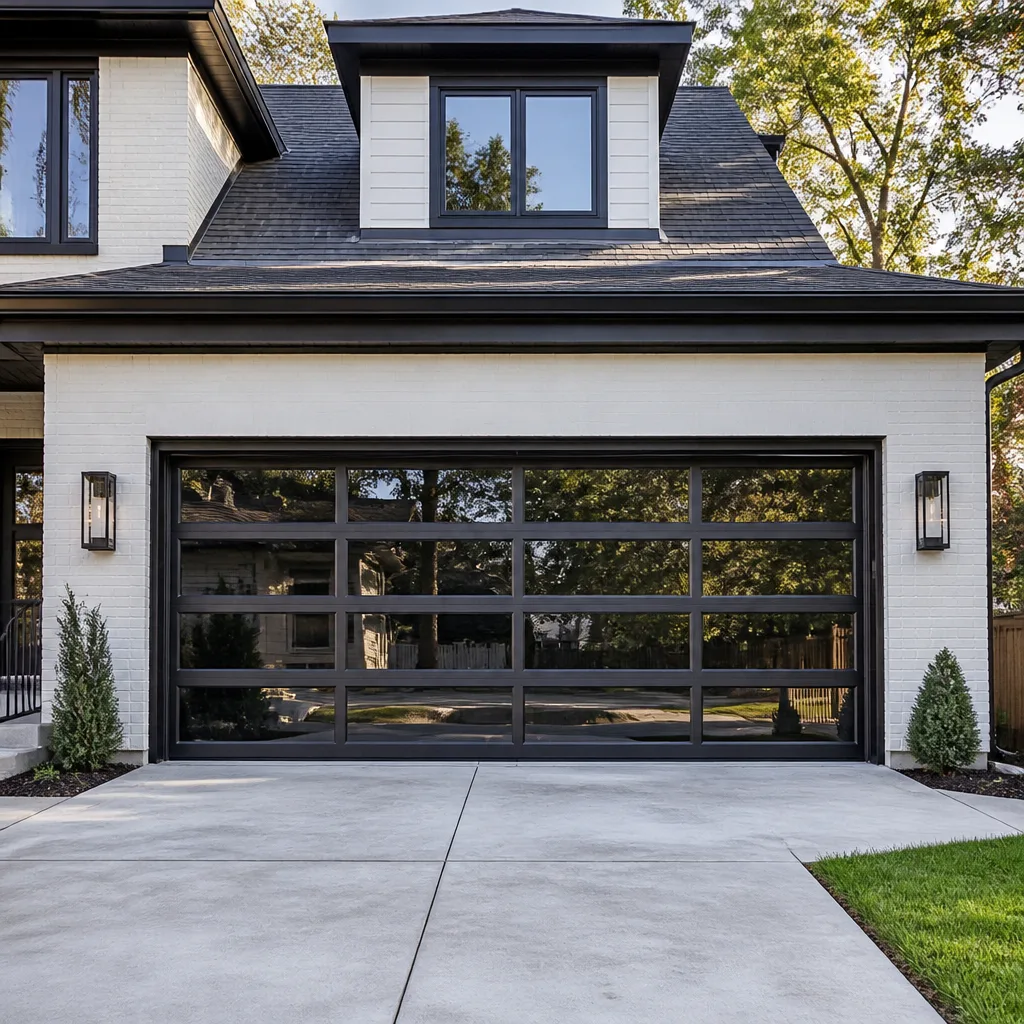 Full-view glass
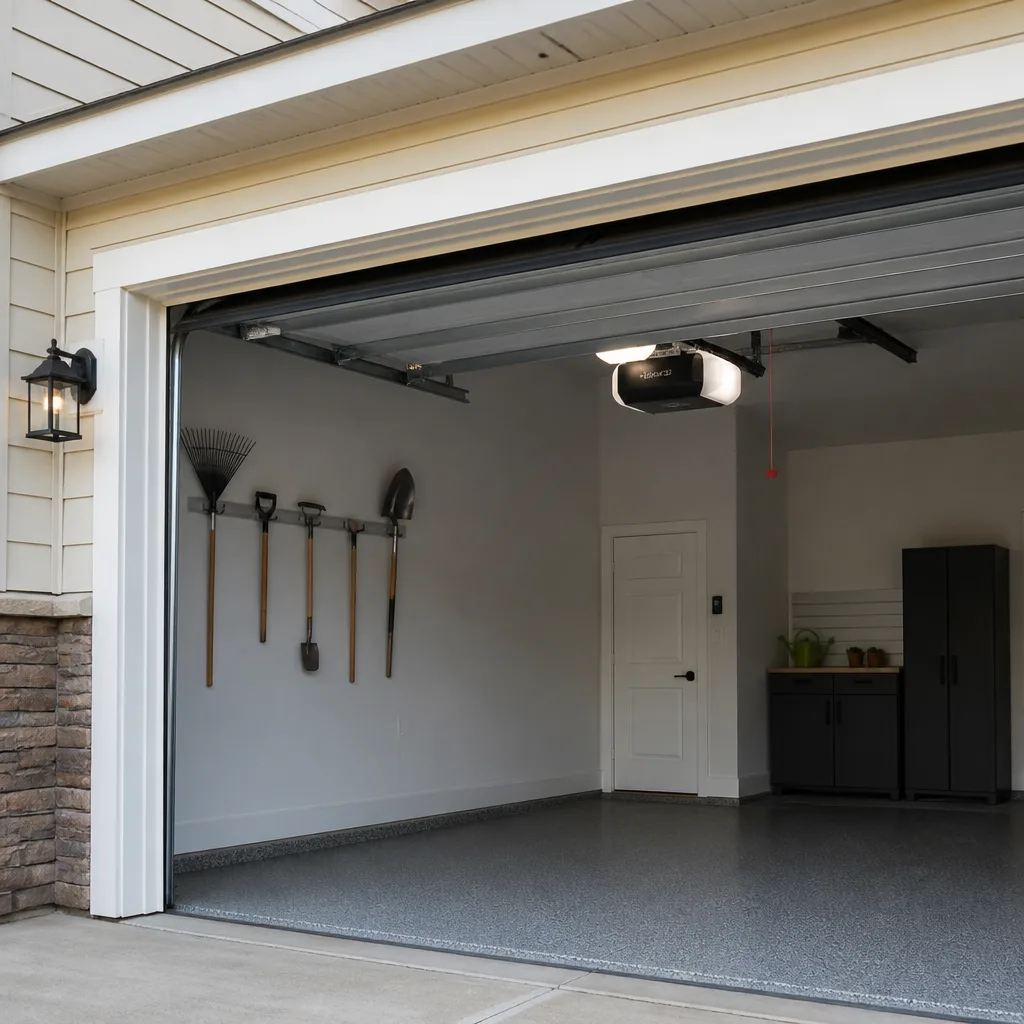 LiftMaster openers
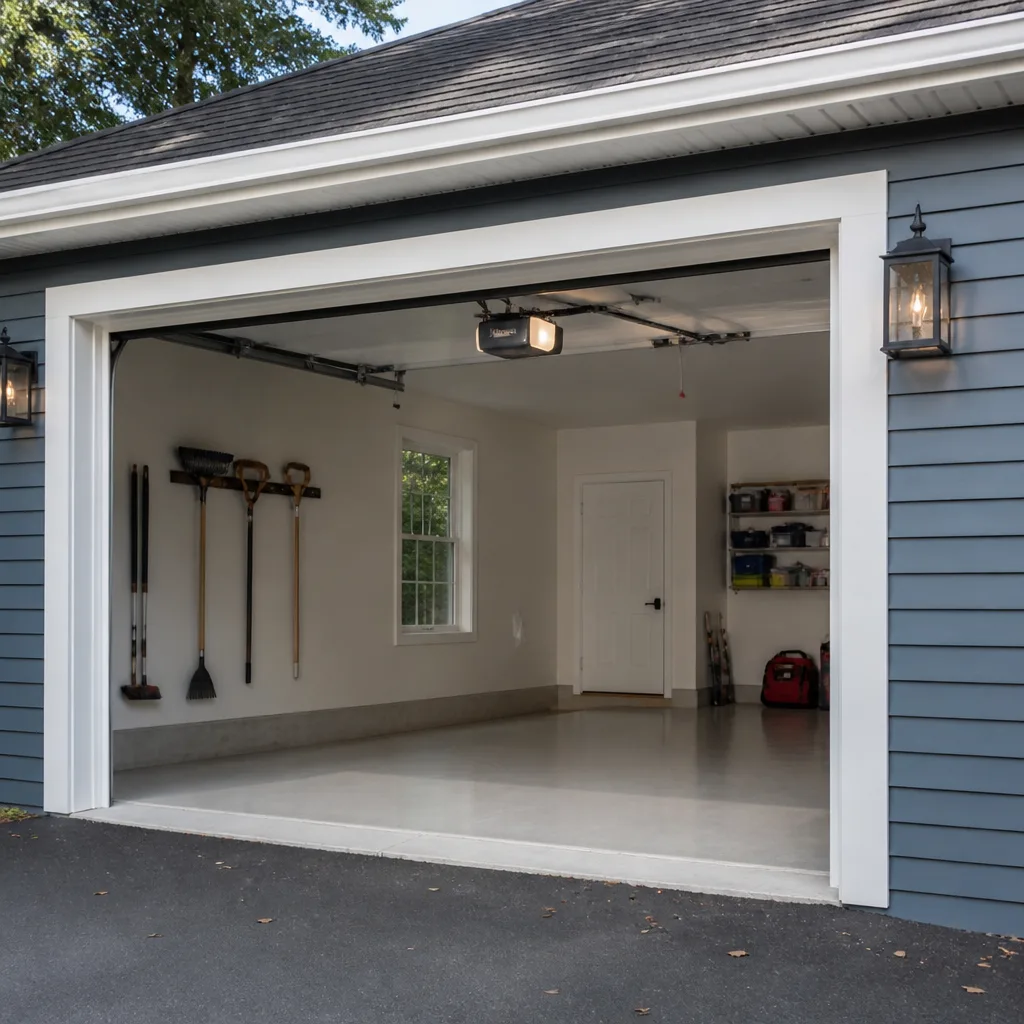 Chamberlain openers
Full 25-point door and opener safety check with every visit - springs, cables, rollers, tracks, and your LiftMaster or Chamberlain opener included
You get a price before we start. It does not change when the pro arrives.
Get your free estimateHow to Hire a Garage Door Contractor in Cape Coral: A Step-by-Step Guide
The cheapest garage door bid in Cape Coral is often cheapest because it lists a door – not a wind-load-rated door, not a specific gauge of steel, not a named hardware grade – and that vagueness is intentional. A proposal that says “replace garage door” tells you nothing you can hold anyone to. So while most hiring guides tell you to collect three quotes and pick a winner, that advice falls apart the moment you realize you can’t actually read the quotes. This guide teaches you what a legitimate proposal should contain, how to spot the gaps, and how to tell a dedicated door specialist from a general handyman with a supplier account.
Quick Answer
To hire a garage door contractor in Cape Coral, verify the company holds a current Florida DBPR license appropriate for garage door installation and repair, insist on a written proposal that specifies five line items (door model and wind-load rating, steel gauge, hardware grade, opener model, and labor warranty), confirm a wind-load certificate or product approval will be delivered after installation, and compare bids on technical specifics rather than bottom-line price. A company that can’t name the exact products it’s installing isn’t giving you a quote – it’s giving you a guess.
Styles & brands we work with
- Raised-panel steel
- Carriage house
- Modern flush
- Full-view glass
- LiftMaster openers
- Chamberlain openers
Table of Contents
- Why three quotes isn’t enough in Cape Coral
- The five line items every legitimate proposal must specify
- How to verify a Florida DBPR license for garage door work
- Specialist or handyman? Questions that separate the two
- Manufacturer warranty vs. labor warranty: what you’re actually getting
- The wind-load certificate and your insurance in Lee County
- Why spring work separates specialists from generalists
- What happens after you sign: timelines and expectations
Why “Get Three Quotes” Isn’t Enough in Cape Coral
Three quotes only work if the three companies are quoting the same scope. In garage door work, they almost never are. One proposal arrives as a page of details. Another arrives as a text message with a price. A third arrives as a phone number and an “it depends.” You’re then asked to pick between apples and oranges with no way to tell which is which.
Cape Coral makes this harder than most markets. The housing stock ranges from newer construction in the southwest and northeast to older homes with legacy openers and original hardware. Doors that were installed two decades ago use systems that look similar to today’s but aren’t interchangeable. A Craftsman opener from the 1990s doesn’t behave like a current LiftMaster, and a door built to one standard doesn’t meet another. When a bidder won’t name the exact product they’re quoting, they may not know what fits your house – or they may be counting on you not asking.
What you want from every quote is technical specificity. Not the price alone. The model number. The wind rating. The steel gauge. The hardware. The warranty terms. When those sit side by side across three bids, you can actually compare. When they don’t, the lowest number wins by default, and the lowest number is usually the vaguest one.
This guide walks through what each element of a legitimate proposal should say, how to verify the license behind it, and how to spot the differences between a garage door contractor and a general handyman. If you need a starting point for service in the meantime, our Cape Coral Garage Door Repair Pros page outlines what we handle.
The Five Line Items Every Legitimate Proposal Must Specify
A garage door proposal that doesn’t specify these five items isn’t a quote. It’s an estimate waiting to grow. Ask for each one in writing before you sign anything.
- Door model and wind-load rating. The proposal should name the make and model (Clopay, Amarr, Wayne Dalton, Raynor), the door style, and the design pressure rating that applies. “A new garage door” is not a line item. A specific model with a stated rating is.
- Steel gauge or material thickness. Garage doors are not all built to the same weight. A 24-gauge door and a 26-gauge door look similar at a glance and perform very differently. The gauge should appear on the proposal.
- Hardware grade and brand. Hinges, rollers, brackets, and tracks should be named. Cheaper hardware on a heavy door is where premature failure lives.
- Opener model. If the quote includes an opener, it should name the exact model – LiftMaster, Chamberlain, Genie, or Craftsman – not just “with opener.” The opener determines safety features, smart-home compatibility, and future parts availability.
- Labor warranty. Separate from the manufacturer’s warranty. This is the company’s own promise about the work itself.
When those five items appear in a proposal, you can compare bids honestly. When they don’t, you’re pricing a promise against a promise and hoping the cheaper one delivers. Our own experience is that the proposals missing these details are the ones with the most room to grow once the job starts.
What a Vague Proposal Is Hiding
A proposal that says “install new garage door, $X” without naming the model is hiding one of three things. It may be a lower-grade door than the ones being quoted elsewhere. It may be a door without the wind-load documentation you’ll need later. Or it may be a placeholder price that will be revised once the crew actually arrives. In any of those cases, you lose leverage the moment you sign.
How to Verify a Florida DBPR License for Garage Door Work
Garage door installation and repair in Florida require a license issued through the Florida Department of Business and Professional Regulation (DBPR). A general contractor’s license is not interchangeable for this work. When you ask for a license number, you should be able to verify it through the DBPR’s online license lookup, confirm the license is currently active, and confirm the license type covers garage door installation or repair – not general construction.
When you check, follow these steps:
- Ask the company for their DBPR license number in writing, not just verbally.
- Search the DBPR’s online database under the company name and the license number to confirm both match.
- Confirm the license is active, not revoked, suspended, or expired.
- Confirm the license type applies to garage door work – a general contractor license does not automatically cover specialty installation.
- Ask whether the company carries general liability insurance and workers’ compensation, and request a certificate of insurance naming you as the property owner.
Cape Coral homeowners have real leverage here. A licensed company expects the question and answers it cleanly. A company that hesitates, redirects, or says “we’re fully licensed” without a number is telling you what you need to know. We recommend asking for the number before you discuss price – it saves time on both sides.
You should also confirm that technicians who come to the home are covered by the company’s insurance. Workers’ comp and general liability protect you as the property owner if something goes wrong during the job. That certificate is not the same thing as the license, and both matter.
Specialist or Handyman? Questions That Separate the Two
A general handyman with a door supplier account can install a new garage door. What they can’t do is diagnose the system the way a specialist can, because their experience is spread across dozens of unrelated trades. The questions below will tell you which you’re dealing with within the first few minutes of a conversation.
- “Which brands do you service?” A specialist answers without hesitation: LiftMaster, Chamberlain, Genie, Clopay, Amarr, Wayne Dalton, Craftsman, Raynor. A generalist names one or two or says “any brand.”
- “Do you do spring repair in-house, or do you sub it out?” Spring work is the highest-skill part of the trade. A specialist handles it themselves. A generalist usually subcontracts it or avoids it.
- “Can you describe the difference between a torsion and an extension spring?” A specialist answers immediately. A generalist changes the subject.
- “Do you keep parts for common brands on hand, or do you special-order everything?” A specialist who stocks parts finishes jobs faster. A generalist orders and waits.
- “How does a LiftMaster opener behave differently from a Genie in the same door system?” A specialist explains the difference in a sentence. A generalist looks for a way out of the question.
Our own view is that garage doors are the only trade worth hiring a garage door specialist for. When a technician’s whole working life is spent on doors and openers, their diagnosis is faster and their fix is more grounded. When the same technician also does plumbing, HVAC, and electrical side work, garage door experience becomes a fraction of their week – and it shows up in the guesswork.
You can also ask how they handle legacy systems. Cape Coral has plenty of homes still running opener systems from the 1990s and early 2000s. Specialists know how to source parts for Raynor and Craftsman systems from that era without special-order delays. Generalists often push toward full replacement because it’s easier.
For an overview of the specific repair services we handle, look at our garage door repair page – that’s a good benchmark for what a real service offering looks like when you’re comparing candidates.
Manufacturer Warranty vs. Labor Warranty: What You’re Actually Getting
The two warranties on a garage door job are not the same thing, and confusing them is one of the costliest mistakes homeowners make. The manufacturer’s warranty is a pass-through from the door or opener brand (Clopay, Amarr, LiftMaster, Chamberlain, and the rest). It covers defects in the product itself – materials and manufacturing. It does not cover the installation.
A labor warranty covers the work. It’s the company’s own promise that if the door is misaligned, the opener fails because of how it was mounted, or the springs fail prematurely because of incorrect tensioning, they’ll come back and make it right. That warranty is separate from the manufacturer’s, and it needs to be in writing.
- Ask: “Is the manufacturer warranty registered in my name, and does it transfer if I sell the house?”
- Ask: “Does your labor warranty cover the springs, the opener, and the door hardware separately?”
- Ask: “What voids the labor warranty?” Common answers include owner-performed adjustments or repairs by a second company.
- Ask: “If the door fails, do I call you or the manufacturer?” The answer should be “us” – your contract is with the contractor, not the factory.
A company that can’t explain the difference between the two warranties is a red flag. A company that says “it’s all covered” without specifying what “it” is has skipped the question. Good proposals separate the two clearly, and good companies expect you to ask.
What to Watch For in Warranty Language
Watch for warranties that require you to use the company for annual service to keep them valid. Watch for warranties that exclude springs. Watch for warranties that expire the moment the company’s van leaves. These aren’t deal-breakers on their own, but they should be reflected in how you compare bids. A quote with a strong labor warranty costs more on paper and often costs less over time.
If you want a benchmark for how a serious opener job is scoped, our garage door opener repair page walks through what a real opener diagnosis includes.
The Wind-Load Certificate and Your Lee County Insurance
A wind-load certificate documents that the door and its installation meet a specified design pressure rating. In Lee County, insurers frequently ask for this documentation after a door installs or replaces an older model – especially on homes outside the original construction era. Without the certificate, you may face higher premiums, a request for inspection, or a policy review that takes weeks to resolve.
Ask three questions before you sign:
- Will the proposal specify the design pressure rating of the door being installed?
- Will the company deliver the wind-load certificate or product approval documentation after install?
- Who is responsible for submitting that documentation to your insurer – the company, you, or the manufacturer?
Cape Coral has seen enough major storm seasons that insurers ask these questions as a matter of course. A door installed without the paperwork is a door that may not protect your coverage the way you think. This is where a specific proposal matters most: a door model number lets you confirm the wind rating before the door is ordered, not after it’s on the wall.
If you’re planning a full door replacement rather than a repair, our garage door installation page covers what a properly documented install involves. Permit requirements for the install vary – most cities require a permit for garage door replacement, so confirm with Cape Coral’s building department what applies to your address.
Why Spring Work Separates Specialists from Generalists
A garage door’s springs hold the door’s weight in tension while the door moves. Torsion springs and extension springs both store enormous energy, and both are dangerous to work on without the right tools and training. A spring that releases unexpectedly can cause serious injury. This is not a job for a homeowner to attempt, and it’s not a job to hand to a generalist who happens to have a wrench.
We flag this in the hiring process because it’s the clearest single test of whether you’re working with a specialist. Ask any candidate company:
- Do you replace torsion springs and extension springs in-house?
- Do your technicians regularly work on both types?
- What’s your policy when a spring failure involves worn cables as well?
- Do you use matched-pair replacement when one spring in a pair has failed?
Matched-pair replacement is worth understanding. Springs are replaced as a pair in most cases because a pair that ages together fails together. A quote for a single spring is a quote for a short-term fix. A legitimate proposal will explain whether one spring or the matched pair is being replaced, and the price will reflect that. Our technicians have up to 15 years of experience with spring work, and we treat it as the highest-risk part of the job – not something to shortcut.
We’re also direct about what to skip: don’t attempt to adjust or replace springs yourself, and don’t accept a bid that treats spring work as an afterthought or “we’ll take a look when we get there.” A real proposal includes the spring work, the labor warranty on it, and the matched-pair decision in advance.
What Happens After You Sign: Timelines and Expectations
Once you’ve accepted a proposal, the sequence should be clear. It usually goes:
- Measurement and order. The company measures the opening, confirms the door model, and places the order. Door lead times vary by model and manufacturer, so ask for an estimate before signing.
- Pre-installation prep. Old door and hardware removal, track inspection, and confirmation that the opening is squared and ready.
- Installation day. Door install, opener install if included, and balance and safety testing.
- Wind-load documentation. Delivery of the certificate or product approval paperwork.
- Warranty registration. Manufacturer warranty registration in your name, plus written labor warranty terms.
If any of those steps is missing from the plan you’re handed, ask before signing. A real proposal has a schedule. A vague handshake has a hope.
For repairs rather than installs, the sequence is shorter. A technician diagnoses the problem, quotes the repair, gets your approval in writing, and completes the work. Same-day service is possible on many garage door repairs, and our dispatch runs 7am to 7pm, Sunday through Friday. We answer 24/7.
Common Mistakes to Avoid
- Choosing on price alone. The cheapest bid is usually the vaguest bid. If a quote is $200 lower than every other quote and specifies less, you’re paying for less, not saving $200.
- Not asking for the license number in writing. A verbal “we’re licensed” isn’t verifiable. Ask for the DBPR number and check it before the conversation moves on.
- Accepting a proposal without the door model. The model number tells you the wind rating, the steel gauge, and the warranty terms. Skip it and you’re skipping all three.
- Assuming the manufacturer warranty covers labor. It almost never does. Ask for the labor warranty separately, in writing.
- Skipping the wind-load certificate question. In Lee County, insurers do ask. Confirm who delivers the documentation before the job starts, not after it’s done.
- Letting a generalist handle spring work. Spring repair is the highest-skill part of the trade. If the company doesn’t do it in-house, ask why.
- Not asking how parts are sourced. A company that special-orders every part adds weeks to the job. A specialist with brand-level parts access gets the door working faster.
See the difference
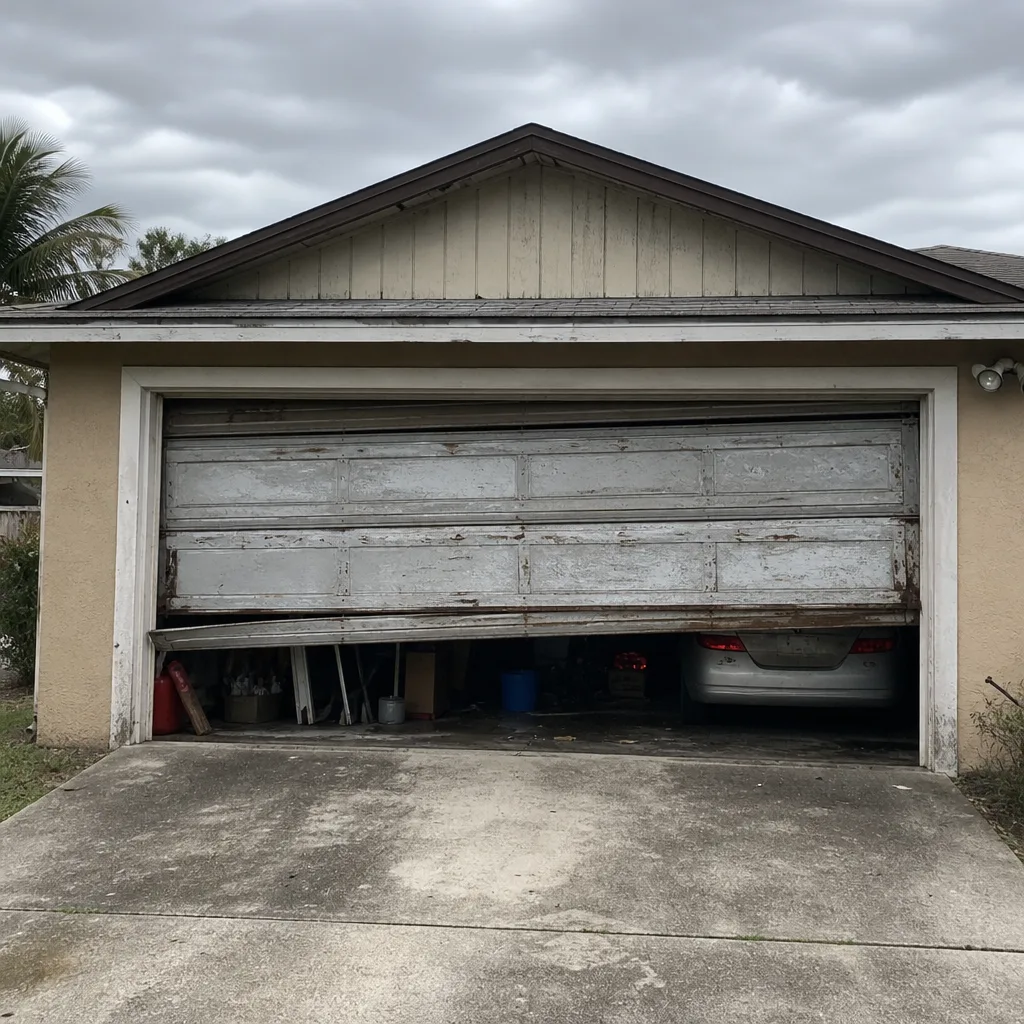 Before
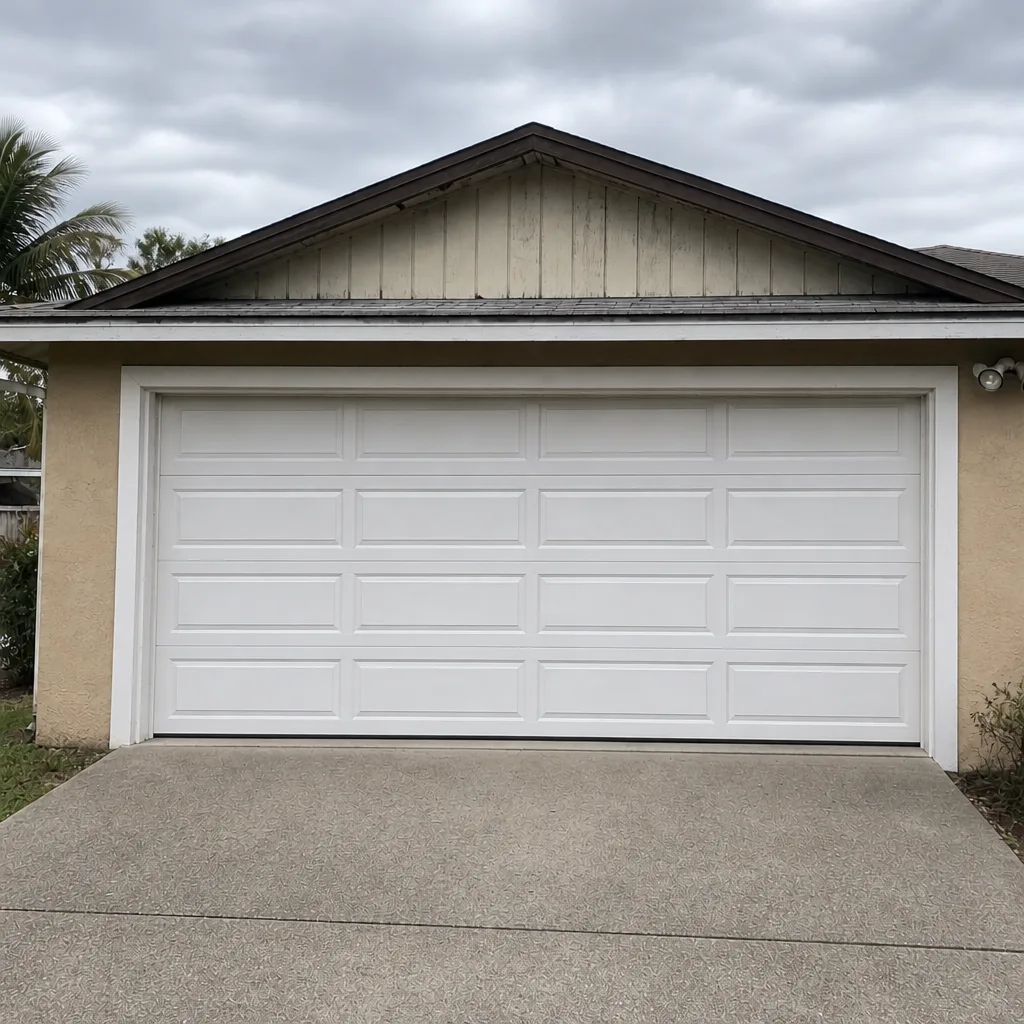 After
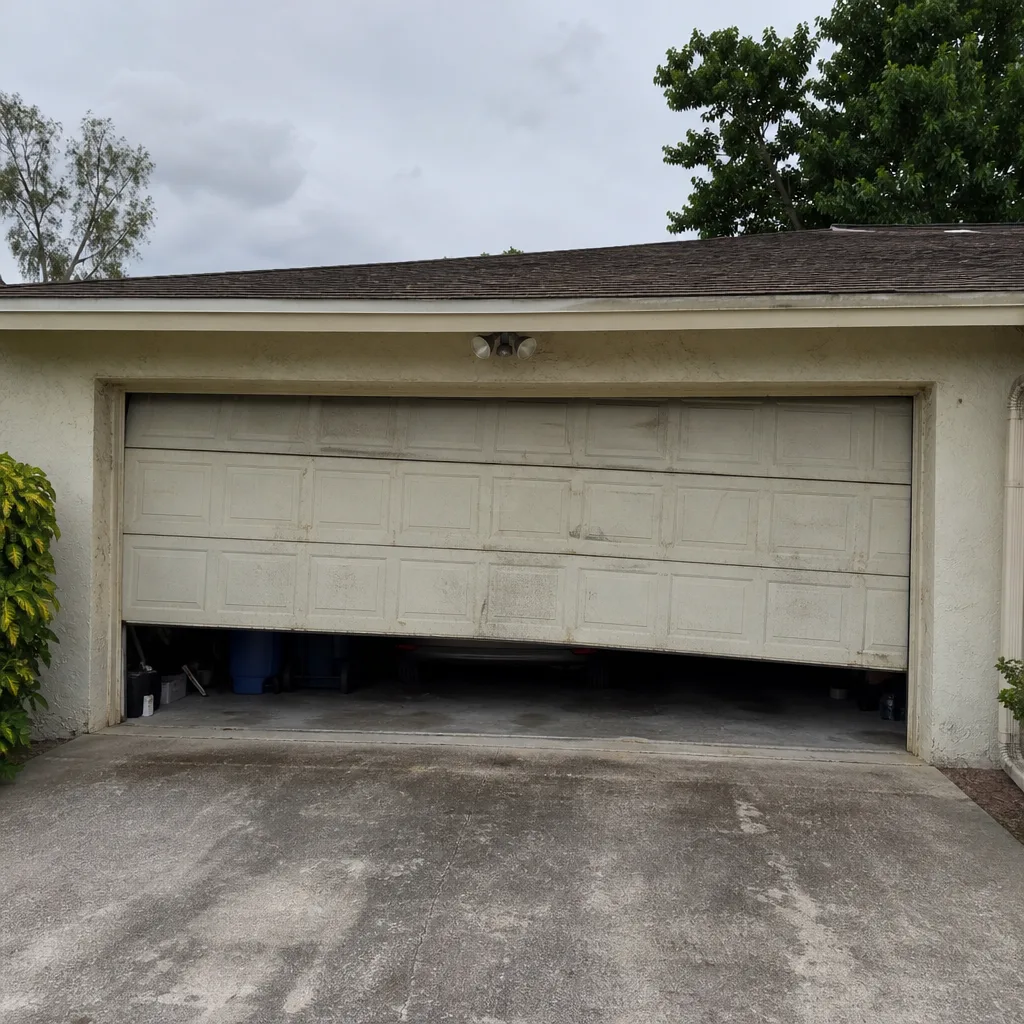 Before
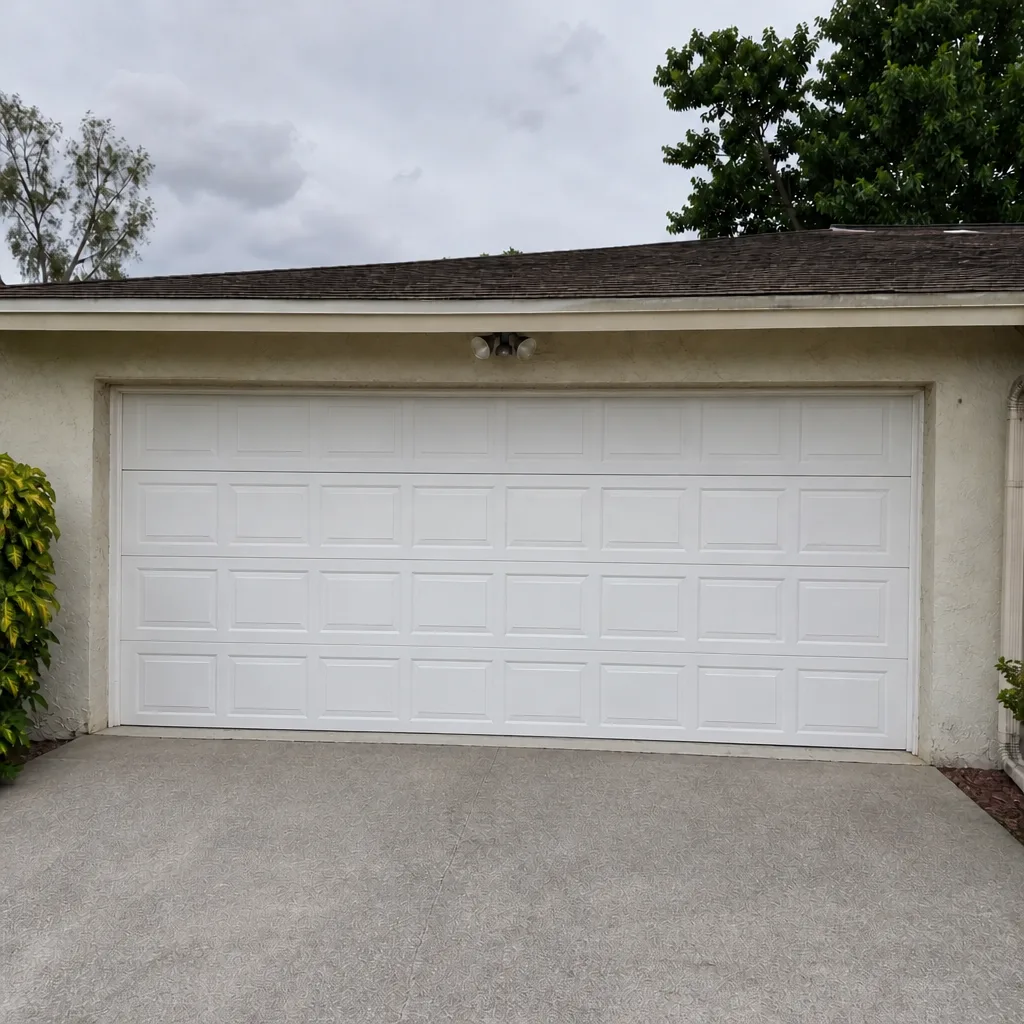 After
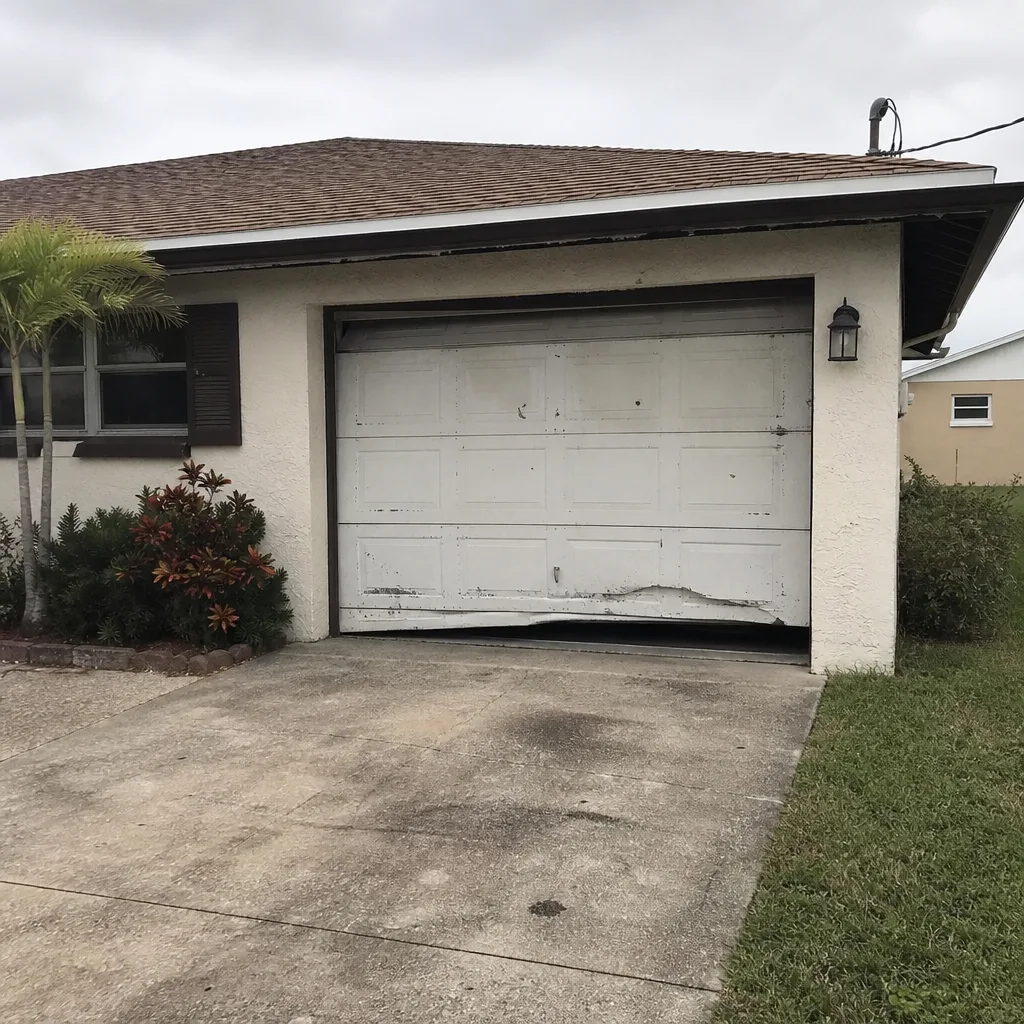 Before
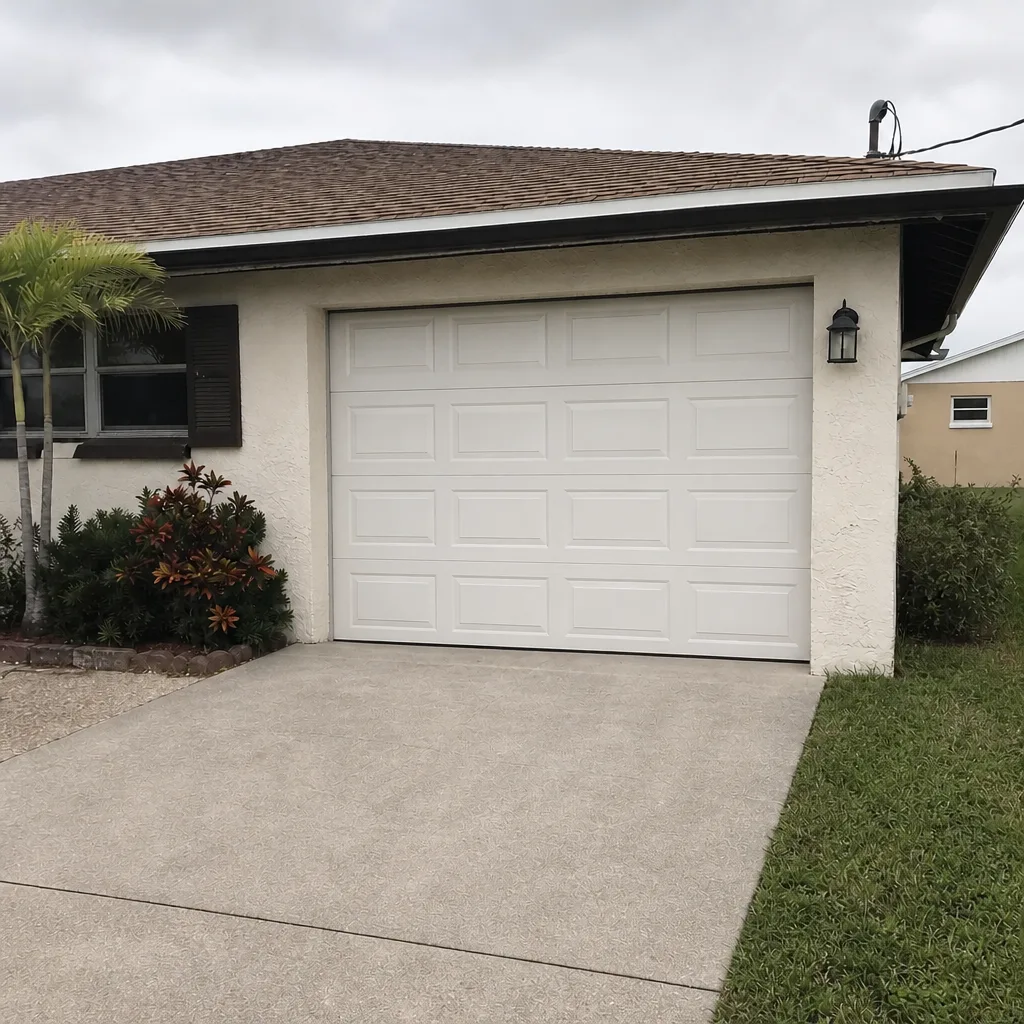 After
When to Call a Professional
Some garage door symptoms are urgent and some can wait a day or two, but a few situations need a professional immediately. If the door is stuck open and won’t close, if a spring has visibly broken (you’ll often see a gap in the coil), if the door is hanging at an angle or has come off its track, or if the opener runs but the door doesn’t move, stop using the door and call someone. Don’t attempt to force it closed with the opener, and don’t try to adjust the springs yourself. If a cable is visibly frayed or detached, the door is not safe to operate until a professional inspects it. The same holds for a door that reverses unpredictably at the bottom – the safety sensors may be failing, and the door should stay off until they’re checked. Cape Coral Garage Door Repair Pros offers free estimates in Cape Coral – call (877) 792-6011. We answer 24/7, with fast dispatch from 7am to 7pm, Sunday through Friday.
Frequently Asked Questions
Ask for their Florida DBPR license number in writing and search it on the DBPR’s online database to confirm the license is active and the license type covers garage door work. A general contractor license is not interchangeable for specialty installation. Call (877) 792-6011 to get a written estimate from a licensed crew – estimates are free.
A legitimate proposal should specify the door model and wind-load rating, the steel gauge or material thickness, the hardware grade and brand, the exact opener model if included, and the labor warranty terms. Anything less is an estimate waiting to grow. Call (877) 792-6011 and we’ll walk you through what each line item should say.
No. Garage door installation and repair in Florida require a license through the DBPR, and that license is separate from a general contractor license. A handyman without the appropriate license is not the right hire for this work. Call (877) 792-6011 for a free estimate from an insured crew.
In many cases, yes – insurers frequently ask for documentation that the door and installation meet a specified design pressure rating. Ask the company before you sign whether they deliver the certificate or product approval after install, and who submits it to your insurer. Call (877) 792-6011 to confirm what’s included in a written estimate.
The manufacturer warranty covers defects in the product itself – the door, the opener, or the springs – and comes from the brand. The labor warranty covers the work the company performed and comes from the contractor. Ask for both in writing, and don’t assume one covers the other. Call (877) 792-6011 for our warranty terms on a written estimate.
Ask which brands they service and how many. A specialist answers immediately with a range of brands – LiftMaster, Chamberlain, Genie, Clopay, Amarr, Wayne Dalton, Craftsman, Raynor – and handles spring work in-house. A generalist hesitates or defers. Call (877) 792-6011 to compare what a specialist can offer.
Yes. A thorough first quote is worth comparing side by side with a second thorough one. When both specify the five line items, you can compare on technical specifics rather than price. When only one is specific, the comparison itself tells you which company to hire. Call (877) 792-6011 for a free estimate to put alongside whatever else you collect.
Matched-pair replacement is usually the recommendation when both springs are the same age because they tend to fail together. A legitimate proposal explains whether one spring or the pair is being replaced and prices each option clearly. Call (877) 792-6011 for a written estimate on your specific system.
The Bottom Line
Hiring a garage door contractor in Cape Coral is less about collecting three quotes and more about learning to read them. The five line items – door model with wind-load rating, steel gauge, hardware grade, opener model, and labor warranty – are the difference between a real proposal and a placeholder price. Verify the DBPR license, ask who does the spring work, confirm who delivers the wind-load certificate, and separate the manufacturer warranty from the labor warranty in your questions. That’s how you compare apples to apples. Cape Coral Garage Door Repair Pros handles the whole job – springs, openers, panels, hardware, and installation across eight major brands – with free estimates and a written price before work starts. Call (877) 792-6011 for a free estimate. We answer 24/7. Fast dispatch from 7am to 7pm, Sunday through Friday.
Written by the team at Cape Coral Garage Door Repair Pros.